


Poder general mercantil
El poder general notarial mercantil es uno de los documentos notariales que otorgan poder a una persona para actuar como apoderado en nombre de una empresa. Como Notarios especializados en poderes mercantiles, queremos explicarles qué son y cómo funcionan, sus diferentes tipos y cómo un Notario puede ayudarles en este trámite.
Recuerde que ya se puede tramitar poder general notarial online por video conferencia con JLA Notarios. Por tanto, puede optar por firmar en las oficinas de JLA Notarios, acudiendo a nuestra Notaría en la Diagonal de Barcelona, o firmar de forma telemática por videoconferencia desde cualquier punto de España con nuestra Notaría Digital.
¿Qué es el poder general mercantil?
Como comentábamos, se trata de una escritura notarial en la que una sociedad confiere un poder a un apoderado (persona física o jurídica) para representarla y actuar en todas las áreas del tráfico mercantil de la misma, concediendo amplias facultades, especialmente en patrimonio, para su intervención en actos o formalización de contratos en su nombre.
Esto es debido a que los administradores de una sociedad concurren en tantas actividades de gestión de la empresa (económicas, estratégicas o de posición de mercado) que en ocasiones necesitan a representantes para actuar en su nombre y en representación de la sociedad en la gestión de negocios jurídicos.
Existen diferentes tipos de poderes para empresas, cada uno con características y tratamientos especiales en los cuales se especifica el tipo de delegación al apoderado. Entre ellos destacamos los poderes especiales, poderes para pleitos…
En el supuesto de que una sociedad necesite otorgar un poder general se deberá tramitar un poder general notarial que servirá para autorizar posteriormente firmas en escrituras públicas para la sociedad o empresa entre otras actividades. El poder general notarial también otorga facultades de administración en el patrimonio de una sociedad. De esta forma, mientras a los administradores les corresponde la administración orgánica de una empresa, los apoderados ostentan una representación voluntaria.
El otorgamiento de poder general puede establecerse en tiempo de concesión o por tiempo indeterminado, siendo su validez indefinida. Por lo general suelen ser indefinidos, a no ser que el poderdante especifique lo contrario.
A su vez, presenta características concretas ya que es unilateral, en el sentido en que no es necesaria la aceptación del apoderado. Además, es considerado recepticio ya que el poder es comunicado al apoderado.
Para una anulación del poder notarial mercantil se deberá hacer una escritura de revocación de poder e inscribir la revocación en el Registro Mercantil.
¿Quién puede conceder y otorga el poder el poder?
En todo poder, un poderdante, es decir, quien otorga el poder, autoriza a un apoderado para actuar en su nombre. El otorgamiento de poder general notarial o apoderamiento general mercantil resulta en el nombramiento de un apoderado general y pueden ser conferidos:
- Por el órgano de administración, ya que es quien otorga la representación de la sociedad y puede transferir sus facultades a otros sujetos. Puede otorgarlos, por tanto, el administrador único, cualquiera de los solidarios, los mancomunados conjuntamente, o el propio consejo de administración.
- Por la Junta General. La junta general no puede otorgar strictu sensu el poder, ya que es un acto externo de la sociedad, debiendo ser otorgado por los administradores. No obstante, pueden acordar en junta conceder un poder a otra persona, siendo el administrador quien elevará a público dicho acuerdo social y concederá el poder a la persona designada por la junta.
La inscripción del poder
A diferencia del poder mercantil especial, es necesaria la inscripción del poder general notarial mercantil en el Registro mercantil para asegurar la legalidad, la integridad de los acuerdos legales y la protección de las partes, de forma que se cumpla con la ley y la regulación aplicable.
Ahora bien, solo se podrán inscribir en el Registro Mercantil aquellos poderes generales otorgados por un órgano de administración previamente inscrito. Para entendernos, si un poder es otorgado por una administrador único, alguno de los solidarios o por los mancomunados, y cuando el apoderamiento accede al Registro consta en este el cese del administrador concedente, la inscripción del poder será denegados, con base en el principio de tracto sucesivo.
En relación a la inscripción del poder general mercantil se plantea si el apoderado puede actuar antes de la inscripción del poder, en este sentido, la Resolución de 25 de mayo de 2017, de la Dirección General de los Registros y del Notariado declaró que “En relación con la representación voluntaria con base en un poder general no inscrito o en un poder especial, este Centro Directivo ha declarado, en el ámbito del Registro de la Propiedad, que la falta del dato de la inscripción en el Registro Mercantil como revelador de la válida existencia de la representación alegada puede ser suplida por la reseña en el título inscribible de aquellos datos y documentos que pongan de manifiesto la válida designación del representante social o apoderado por haber sido nombrado con los requisitos y formalidades legales y estatutarias por órgano social competente, debidamente convocado, y vigente en el momento del nombramiento, incluyendo la aceptación del nombramiento y, en su caso, notificación o consentimiento de los titulares de los anteriores cargos inscritos en términos que hagan compatible y congruente la situación registral con la extrarregistral.”
¿En qué actos puede a actuar un apoderado con poder general notarial para actos de administración?
El apoderamiento general mercantil presenta muchas ventajas ya que habilita la actuación del apoderado en múltiples situaciones, ante cualquier actuación administrativa y ante cualquier Administración Pública (organismos públicos o entidades de derecho público).
Además, el apoderado podrá ser autorizado para tramitar, entre otros:
- Contratos de compraventas
- Hipotecas
- Adquisición de bienes
- Cobrar deudas
- Arrendamientos
- Actos jurídicos: gestión de sucursales y delegaciones
- Negocios con entidades de crédito
- Pago de tributos
El poder general mercantil, por tanto, podrá conferir todas las facultades que ostente el administrador o con la amplitud que la junta haya acordado. No obstante, existen determinados límites:
- Limitaciones del administrador: el órgano de administración no puede conferir facultades que conforme a los estatutos sociales tenga limitados o prohibidos.
- Autocontratación: el órgano de administración de una sociedad que carece de la facultad expresa de autocontratación no puede otorgar un poder a un tercero, confiriéndole la facultad de autocontratación; una dispensa sólo compete a su principal, la sociedad, que la ha de prestar por medio del órgano de expresión de su voluntad: la junta general de socios.
- Facultades indelegables: Son aquellas que la ley impide delegar, debiendo ser ejercitadas por los propios administradores, como la convocatoria de la junta de socios.
¿Qué diferencia existe entre el poder general y especial?
El poder general y el poder especial son dos tipos de poderes mercantiles bastante comunes. La diferencia radica en que en el poder general mercantil el apoderado actúa en todos los campos del tráfico mercantil, ofreciéndole más libertad y facultades, mientras que en un poder especial mercantil se otorga para un acto, contrato o negocio jurídico concreto sin que se extienda el poder a otros campos.
¿Qué diferencia existe entre un apoderado general y un administrador de una sociedad?
Aunque un apoderado general mercantil no es un administrador, ya que la ley distingue claramente entre ambas figuras, en la práctica mayoría de los actos el apoderado general puede actuar como lo haría un administrador. Por ello, tanto el cargo de administrador como los apoderamientos generales mercantiles deben inscribirse en el Registro Mercantil.
No obstante, es importante saber que el poder mercantil general puede revocarse en todo momento, mientras que el cargo de Administrador cesa según la ley y las reglas contenidas en los estatutos de la sociedad.
El papel del Notario en un poder notarial mercantil
El Notario es un profesional del derecho que garantiza la legalidad y autenticidad de diversas transacciones.
Además, entre sus funciones se encuentra la de asesorar y aconsejar de manera imparcial y gratuita. Sea cual sea el trámite que esté valorando, expónganos sus dudas y realice las consultas necesarias. En el caso de otorgamientos de poder notarial le informaremos sobre los riesgos legales y financieros de la misma y sobre como mitigarlos. También le asesoraremos sobre los posibles conflictos de interés que puedan originarse.
La capacidad, formación y autoridad del Notario permite certificar la autenticidad de los documentos y asegurar las transacciones, garantizando su seguridad jurídica y otorgando la autorización de poderes.
Para otorgar un poder general notarial mercantil es importante que el Notario asegure que la sociedad y sus representantes sean conscientes de la responsabilidad que se le confiere al apoderado y que éste se halle capacitado para ejercer las responsabilidades conferidas.
En el poder general notarial mercantil se establecen las capacidades otorgadas por la sociedad al apoderado, especificando las acciones y responsabilidades a las que le autoriza gestionar, siendo uno de los tipos de poderes mercantiles que más capacidad de actuación ofrece.
El artículo 94 del Reglamento de Registro mercantil determina que es necesaria la inscripción del nombramiento del apoderado en el Registro Mercantil para que pueda desarrollar su actividad con efectividad y aumente la seguridad jurídica del negocio. Si no se inscribiera, no se acreditaría la legitimización para la representación de la sociedad. En el supuesto de que existiera una futura escritura de revocación también deberá ser inscrita en el Registro.
Se otorgarán copias de la escritura autorizadas y simples para su uso, así como la copia auténtica de la escritura al apoderado con la finalidad de ejercitar su poder mercantil.
Documentación para otorgar un poder general notarial mercantil
Será necesaria la presentación de la siguiente documentación:
- Documento de identificación en vigor del representante de la sociedad que confiere el poder. Quien desee tramitar un poder notarial mercantil, deberá acudir a una notaría siempre con su documento identificativo en vigor. Dicho poderdante tendrá que ser mayor de edad y tener plena facultad mental.
- Escritura de nombramiento de administrador donde el poderdante figura como administrador de la sociedad.
- Nombre, denominación social, domicilio social y CIF de la sociedad.
- Copia auténtica de la escritura de constitución de sociedad y de los estatutos sociales o de la modificación de estatutos sociales que hayan acontecido. Se puede sustituir esta documentación por la información del Registro Mercantil obtenida desde la notaría.
- Acta de titularidad real (acta notarial donde se identifican a los socios que poseen más del 25% del capital social de la empresa).
- Documentación relacionada con datos concretos del apoderado (nombre, apellidos, fotocopia del DNI, NIE o pasaporte).
¿Qué son las copias auténticas, autorizadas y simples y para qué sirven?
El documento firmado y certificado en forma pública por el Notario y al que se le otorga fe plena, es la copia autentica.
La copia autorizada es la copia del documento que se entregará al apoderado para que tenga la autorización para actuar en nombre del poderdante. Reproduce total o parcialmente la escritura. La entrega al apoderado de su copia solo se hace si el poderdante así lo decide o si él mismo hace la entrega.
La copia simple es una copia que tiene efectos puramente informativos, que no lleva la firma del notario que la expide y que puede ser física o electrónica. Permite la consulta de datos como la notaría en la que se tramitó el acto o su fecha, ya que es una información relevante en la revocación del poder.
Otorgar un poder general mercantil online o en Notaria: ventajas, precio y preguntas frecuentes
Habiendo introducido el significado de poder general mercantil, la figura del apoderado, así como el papel del Notario y los documentos, contestaremos preguntas más frecuentes acerca de este trámite.
Hacer un poder general mercantil online con un Notario
Como lo mencionábamos al principio, otorgar un poder general mercantil es uno de los trámites que se pueden realizar de forma telemática.
Se aprobó una importante reforma de la ley del notariado, sobre autorización notarial por videoconferencia de numerosos negocios mercantiles y sobre protocolo electrónico notarial y copias electrónicas notariales. Con la nueva Ley 11/2023, de 8 de mayo, puede tramitar un poder general mercantil online, sin necesidad de desplazarse a la notaría. Desde JLA Notarios, estamos preparados y capacitados para ayudarle en este proceso, no dude en contactar con nosotros.
¿Cuál es el precio del poder general mercantil?
El precio de los actos notariales está regulado por el Gobierno y se ajusta a la normativa reguladora del arancel notarial (RD 1426/1989, de 17 de noviembre, por el que se regula el Arancel de los Notarios).
No obstante, el precio exacto de un documento notarial no puede calcularse hasta que se conoce su contenido concreto, es decir, hasta que esté firmado, pues son muchas las circunstancias que lo pueden hacer variar. El número de copias que se pide de un documento, los folios que contiene, la cantidad de poderdantes y apoderados además de posibles cambios o añadidos pueden variar ligeramente el precio final.
Si desea recibir un presupuesto detallado, le invitamos a contactarnos directamente por la vía que le resulte más conveniente. Lo puede hacer a través del formulario de contacto de la página principal de esta web, mediante la sección contactar que encontrará en el pie de página de la web, usando el acceso directo a WhatsApp en la parte inferior derecha de esta página, enviando un correo electrónico a bcn@jlanotarios.com o llamándonos al teléfono 93 159 17 62.
De forma orientativa, le podemos adelantar que, de acuerdo a la normativa reguladora vigente, el precio habitual de la formalización de una escritura de poder general mercantil es de entre 125 y 175 €, incluyendo IVA.
Este precio indicativo está calculado para un documento de contenido habitual (9 folios) y con la expedición de una única copia autorizada y una copia simple.
Más preguntas relacionadas con el poder general mercantil
La pérdida de confianza en el apoderado ya sea por sus acciones o gestión, puede desencadenar en la necesidad de retirar el poder notarial otorgado por parte del órgano de administración de la sociedad. Para ello, una notaría deberá revocar el poder mediante escritura. No es necesario que sea la misma notaría que otorgó el poder, pero aquella a la que acuda necesitará información relacionada con la gestión del poder notarial mercantil previo, como por ejemplo el Notario que la tramitó, la fecha y el número de protocolo. Puede consultar la copia simple del poder y entregarla.
La revocación puede ser otorgada por el administrador único, cualquiera de los solidarios y por el Consejo de administrador, pero en cuanto a los mancomunados, deberán otorgarlo los dos, sin que pueda ser revocado por únicamente uno de los dos. También puede ser revocado por el nuevo administrador, auqnue haya sido otorgado por el anterior, e incluso la Junta de socios puede acordar revocar un poder, autorizando al apoderado para que proceda al otorgamiento de la revocación.
En cuanto al tema de los administradores mancomunados, puede haber algún caso especial. En una Resolución de la Dirección General se trato el supuesto en el que una sociedad estaba dirigida por dos administradores mancomunados, y uno de ellos, que era otra sociedad, había degisnado a una persona física para desempeñar el cargo. Es evidente que la revocación del poder requeriría la participación de ambos administradores. Sin embargo, en este caso particular, la persona física designada por la sociedad como administrador también desempeñaba el papel de apoderado. Esto generaba dificultades prácticas para llevar a cabo la revocación. Así, Resolución de 15 de marzo de 2011 declaró que “Aunque en el presente caso el apoderado no sea propiamente la sociedad nombrada administradora mancomunada sino la persona física designada por ésta para ejercer el cargo de administrador, debe entenderse que mientras concurran en esa misma persona las dos condiciones (representante de esa sociedad administradora y apoderado, circunstancias que el Registrador podrá comprobar en los asientos registrales) debe admitirse la posibilidad de que dicho poder quede revocado por la mera manifestación de voluntad revocatoria del otro administrador mancomunado, toda vez que si se exige el consentimiento de ambos administradores dependería del propio apoderado –mientras sea también el representante de uno de aquéllos– la subsistencia del poder conferido, de modo que sería ilusoria la revocabilidad de la representación voluntaria en tal supuesto.”
El siguiente paso será comunicar al apoderado la revocación de poder para que entregue la copia autorizada que le otorgaba el poder notarial mercantil. En el supuesto de que no la entregará y continuará usándola, podrá incurrir en responsabilidad incluso penal. El encargado para notificar la revocación de poder es el Notario.
Finalmente, se comunicará a la notaría que otorgó el poder la revocación del mismo para que conste en el documento original.
El apoderado de una sociedad mercantil puede renunciar al poder otorgando una escritura donde figure su renuncia. Esta escritura debe ser comunicada de forma fehaciente a la sociedad.
El poder notarial otorgado se extingue por diversos motivos. Uno de ellos ya lo hemos visto y se trata de la revocación de poder. Sin embargo, pueden suceder otros motivos para la extinción del poder como la muerte del apoderado. Asimismo, encontramos como motivo el hecho que el apoderado fuese declarado incapacitado.
En otro tipo de poderes notariales se extinguiría la facultad del apoderado ya que perdería su validez. No obstante, en el caso que nos incumbe, el poder general mercantil, al ser otorgado por una sociedad, no afectaría a su validez con la muerte del poderdante. Así, si sucediera el fallecimiento del poderdante, la situación se mantiene ya que es la sociedad la que ha entregado el poder y no está condicionada a la muerte de un administrador. Igualmente, es recomendable la revisión de los documentos legales específicos y confirmar los términos y condiciones exactos.
Se trata de una persona física o jurídica que desempeña, sin título y sin ser nombrado, las funciones de administrador. Los apoderados generales sufren el riesgo de adjudicarse funciones del administrador de hecho. Esto implicaría la asunción de responsabilidades dictadas en la Ley de Sociedades de Capital.
Dentro del conjunto de países firmantes del Convenio de la Haya, la Apostilla de la Haya permite el reconocimiento de los poderes notariales españoles a nivel internacional. Se trata de una anotación en el documento que certifica la autenticidad de este en otros países.
En caso de que alguno de los países no forme parte del Convenio de la Haya, tendrá que realizarse el trámite de la legalización itnernacional.
Sí, será necesario abonar los honorarios del Registro Mercantil, ya que los poderes generales mercantiles deben inscribirse obligatoriamente en este Registro. De los trámites de la inscripción puede encargarse usted mismo o contratar un profesional. En el caso de contratar los servicios de un profesional, deberá abonar sus honorarios.
Desde JLA Notarios ofrecemos un servicio integral en materia mercantil, por lo que si usted lo desea podemos encargarnos por usted de la gestión de la adecuada inscripción de su poder general mercantil.
Hacer un poder general mercantil con JLA Notarios
Nuestra Notaría en Barcelona dispone de un equipo de Notarios altamente calificados y experimentados para poder otorgar un poder general notarial mercantil. Somos expertos en las regulaciones que se aplican y le podemos ofrecer un asesoramiento personalizado en el que nos ajustamos a sus necesidades específicas, respondiendo en todo momento a sus preguntas y preocupaciones.
En JLA Notarios trabajamos de forma empática y dinámica, aplicando las nuevas tecnologías en todos los trámites para su confort y comodidad. Es nuestro objetivo como Notaría online, en el que gestionamos muchos servicios notariales de forma electrónica, buscar la optimización de los tiempos de transacción de su trámite y mantenerle informado de las novedades que surjan durante el procedimiento. Recuerde que puede firmar un poder con nosotros desde cualquier lugar de España a través de nuestra Notaría Digital o acudiendo a las oficinas de nuestra Notaría en el Eixample, en la Avenida Diagonal de Barcelona.
Póngase en contacto con nosotros para una consulta inicial, ya sea para autorizar un apoderamiento general mercantil u otros asuntos que le afecten. Le ayudaremos a través de todo el proceso, resolviendo sus dudas y gestionando con eficiencia su gestión. Reserve ahora su primera asesoría en JLA Notarios.
By your side in the moments that matter

Wills and inheritance
Making a will, making a declaration of heirs or awarding inheritance are very important moments in people’s lives.
At JLA Notarios we offer inheritance law services, both to arrange your estate and to divide up inheritance, guaranteeing the best advice for your particular needs while studying the tax implications of each case. We never forget the human factor. We even offer a notary service at home if necessary.

Contracts and property law
Over the course of our lives, we carry out important actions, such as buying a home, declaring a new-build, lifetime gifting to our children or ending partnerships, among many others.
At JLA Notarios we are experts in property and contract law and buying and selling property. We guide our clients, analysing each particular issue and always considering the tax burden of each transaction.
In addition, some of our notarial services can be performed online, so we can assist you from anywhere in Spain. Contact us to declare a new-build or a commonhold ownership structure online.

Mortgage
Taking out a mortgage is one of the biggest moments for anyone. Just think of the fees and interest you may have to pay for much of your life. So it is essential to have a trusted notary to help you understand what you are signing, explaining the tricky legal terms and their future consequences in simple words, to provide transparency and protect our clients.
At JLA Notarios we are aware of the importance of giving complete and understandable information to people about to sign a mortgage, novation or subrogation. We also advise and guide you on your future mortgage cancellation.

Loan agreements and credit facilities
Individuals and companies often need money to fulfil their dreams or projects. This can be obtained by taking out a loan or credit facility with your bank. When you sign, it is essential to understand the details properly to avoid future surprises.
JLA Notarios can be your trusted notary office, giving you accurate advice on loan contracts, providing a very agile and specialised service for processing loan contracts.
Bear in mind that from 9 November 2023, you will be able to sign your loan contracts from anywhere in Spain electronically by videoconference with JLA Notarios, saving you time and money. Do not hesitate to contact us to find out more about the notary office’s services in order to sign a loan contract online or sign a credit facility online.
Companies
Without entrepreneurship there is no future, so it is of vital importance to support our businesspeople and entrepreneurs.
At JLA Notaries we are familiar with companies’ life cycle, which enables us to provide legal assistance for companies in their different stages, whether incorporation, modifications of their articles of association, changes of director, share sales and purchases, capital increases and reductions, dissolution and closure, and everything related to commercial matters.
Powers of attorney
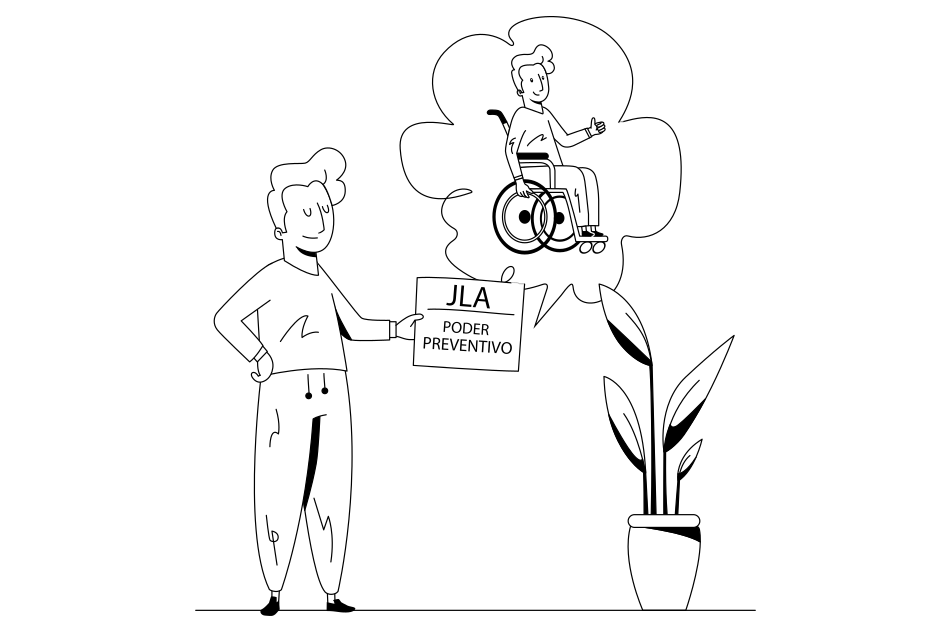
There are moments in life when a person needs to delegate. The law provides a tool for this: powers of attorney. Though a power of attorney, one person allows another person to act on their behalf.
At JLA Notarios we make sure that you understand the significance and risks of delegating or revoking powers of attorney, from a special power of attorney or power of attorney for lawsuits, to general powers of attorney or preventive powers of attorney for cases of incapacity.
We provide an agile service to sign powers of attorney. You can take your copy away immediately, saving you unnecessary trips, and from 9 November 2023 our clients will be able to sign all powers of attorney that are not general or preventive by videoconference through our digital notary office.

Family affairs
A prosperous society is based on the family and its protection. Family Law provides you with the tools to protect your family and its members, so its foundations are solid and its purposes can be achieved.
At JLA Notarios we provide legal advice on marriage or civil partnerships; property aspects of the family through marriage contracts or civil partnership contracts; the moments when the family relationship is ended, in cases such as divorce or separation; and protection of vulnerable people, such as minors or people with modified capacity, through deeds of appointment of guardians or executors or creation of protected assets. We do all of this in a way that makes everyone involved feel equally supported and secure.

Certifications and authentications
It is common knowledge that notaries attest. That important and simple action can guarantee things of vital importance, such as ensuring that the signature on a document is authentic or certifying that a copy of a document matches the original.
At JLA Notarios we will help you to certify a document or notarise a signature in accordance with the law and tailored to your specific needs.
In addition, these notarial procedures can be carried out conveniently through electronic means from 9 November 2023.

Notarial deeds
How many times have you wanted to record an event, a statement or the status of an object, or to notify someone of an issue. The law provides us with notarial deeds to deal with these matters.
At JLA Notarios we adapt to you, stating in the deed what you need and issuing your notifications and requests.

Oath of citizenship
Behind every oath of citizenship lies a story of overcoming, sacrifice and waiting.
At JLA Notarios we know what this moment means and we provide an empathetic, agile and fast service. We don’t just advise you about the actual swearing-in, but also inform you of the future requirements that new Spanish citizens need to know.
We are your go-to notary’s office to swear the oath of citizenship before a notary public in Barcelona.

Apostille of the hague convention
Globalisation enables the free movement of people and documents of all kinds. How can you guarantee that a document has been officially issued? With an apostille of the Hague Convention.
JLA Notarios can obtain an apostille for all documents executed before us so they are valid and recognised abroad. We do this transparently and save you all the bureaucratic procedures involved.

Tax and registry procedures
Tax bureaucracy can cause a lot of headaches.
So JLA Notarios offers its clients the possibility of assessing and paying the many different taxes by the executing deeds and carrying out other procedures before the notary. We can also file them with the Land or Companies Registry so you do not have to concern yourself with it and can spend your time on the things that matter. We support you from start to finish.
Wills and inheritance
Making a will, making a declaration of heirs or awarding inheritance are very important moments in people’s lives.
At JLA Notarios we offer inheritance law services, both to arrange your estate and to divide up inheritance, guaranteeing the best advice for your particular needs while studying the tax implications of each case. We never forget the human factor. We even offer a notary service at home if necessary.
Contracts and property law
Over the course of our lives, we carry out important actions, such as buying a home, declaring a new-build, lifetime gifting to our children or ending partnerships, among many others.
At JLA Notarios we are experts in property and contract law and buying and selling property. We guide our clients, analysing each particular issue and always considering the tax burden of each transaction.
In addition, some of our notarial services can be performed online, so we can assist you from anywhere in Spain. Contact us to declare a new-build or a commonhold ownership structure online.
Mortgage
Taking out a mortgage is one of the biggest moments for anyone. Just think of the fees and interest you may have to pay for much of your life. So it is essential to have a trusted notary to help you understand what you are signing, explaining the tricky legal terms and their future consequences in simple words, to provide transparency and protect our clients.
At JLA Notarios we are aware of the importance of giving complete and understandable information to people about to sign a mortgage, novation or subrogation. We also advise and guide you on your future mortgage cancellation.
Loan agreements and credit facilities
Individuals and companies often need money to fulfil their dreams or projects. This can be obtained by taking out a loan or credit facility with your bank. When you sign, it is essential to understand the details properly to avoid future surprises.
JLA Notarios can be your trusted notary office, giving you accurate advice on loan contracts, providing a very agile and specialised service for processing loan contracts.
Bear in mind that from 9 November 2023, you will be able to sign your loan contracts from anywhere in Spain electronically by videoconference with JLA Notarios, saving you time and money. Do not hesitate to contact us to find out more about the notary office’s services in order to sign a loan contract online or sign a credit facility online.
Companies
Without entrepreneurship there is no future, so it is of vital importance to support our businesspeople and entrepreneurs.
At JLA Notaries we are familiar with companies’ life cycle, which enables us to provide legal assistance for companies in their different stages, whether incorporation, modifications of their articles of association, changes of director, share sales and purchases, capital increases and reductions, dissolution and closure, and everything related to commercial matters.
Powers of attorney
There are moments in life when a person needs to delegate. The law provides a tool for this: powers of attorney. Though a power of attorney, one person allows another person to act on their behalf.
At JLA Notarios we make sure that you understand the significance and risks of delegating or revoking powers of attorney, from a special power of attorney or power of attorney for lawsuits, to general powers of attorney or preventive powers of attorney for cases of incapacity.
We provide an agile service to sign powers of attorney. You can take your copy away immediately, saving you unnecessary trips, and from 9 November 2023 our clients will be able to sign all powers of attorney that are not general or preventive by videoconference through our digital notary office.
Family affairs
A prosperous society is based on the family and its protection. Family Law provides you with the tools to protect your family and its members, so its foundations are solid and its purposes can be achieved.
At JLA Notarios we provide legal advice on marriage or civil partnerships; property aspects of the family through marriage contracts or civil partnership contracts; the moments when the family relationship is ended, in cases such as divorce or separation; and protection of vulnerable people, such as minors or people with modified capacity, through deeds of appointment of guardians or executors or creation of protected assets. We do all of this in a way that makes everyone involved feel equally supported and secure.
Certifications and authentications
It is common knowledge that notaries attest. That important and simple action can guarantee things of vital importance, such as ensuring that the signature on a document is authentic or certifying that a copy of a document matches the original.
At JLA Notarios we will help you to certify a document or notarise a signature in accordance with the law and tailored to your specific needs.
In addition, these notarial procedures can be carried out conveniently through electronic means from 9 November 2023.
Notarial deeds
How many times have you wanted to record an event, a statement or the status of an object, or to notify someone of an issue. The law provides us with notarial deeds to deal with these matters.
At JLA Notarios we adapt to you, stating in the deed what you need and issuing your notifications and requests.
Oath of citizenship
Behind every oath of citizenship lies a story of overcoming, sacrifice and waiting.
At JLA Notarios we know what this moment means and we provide an empathetic, agile and fast service. We don’t just advise you about the actual swearing-in, but also inform you of the future requirements that new Spanish citizens need to know.
We are your go-to notary’s office to swear the oath of citizenship before a notary public in Barcelona.
Apostille of the hague convention
Globalisation enables the free movement of people and documents of all kinds. How can you guarantee that a document has been officially issued? With an apostille of the Hague Convention.
JLA Notarios can obtain an apostille for all documents executed before us so they are valid and recognised abroad. We do this transparently and save you all the bureaucratic procedures involved.
Tax and registry procedures
Tax bureaucracy can cause a lot of headaches.
So JLA Notarios offers its clients the possibility of assessing and paying the many different taxes by the executing deeds and carrying out other procedures before the notary. We can also file them with the Land or Companies Registry so you do not have to concern yourself with it and can spend your time on the things that matter. We support you from start to finish.


