


Donaciones en vida
Las donaciones en vida o, más comúnmente, donaciones de padres a hijos son uno de los métodos de transmisión de bienes más comunes que existen junto con las herencias, a la hora de organizar el patrimonio futuro de una persona. En JLA Notarios contamos con un amplio equipo de expertos en donaciones, testamentos y herencias en Barcelona que pueden asesorar a todos nuestros clientes.
¿Qué es el servicio o acto de donación en vida?
Las donaciones en vida son el proceso que nos permite documentar la transmisión de un bien de cualquier tipo, ya sea mueble o inmueble, a favor de otra persona que acostumbra a ser un familiar, aunque no siempre.
Las operaciones de este tipo son a título gratuito, es decir, el usuario que recibe este bien no tiene que pagar ningún precio, ni tampoco satisfacer algún tipo de contraprestación, aunque pueden existir donaciones que llevan aparejada alguna carga o gravamen por parte del donatario, pero en todo caso lo recibido será de mayor valor que la carga impuesta.
Una donación en vida puede realizarse, por tanto, a una persona física (sin obligatoriedad a que forme parte de la familia) o también a una persona jurídica, como, por ejemplo, ONGs o fundaciones.
Obtener una escritura de donación es un tipo de operación que se lleva a cabo ante Notario. Por ello, es recomendable que un experto pueda analizar su caso de forma individualizada. Además, son un procedimiento que en ocasiones concretas es muy beneficioso a nivel fiscal especialmente a la hora de transmitir inmuebles de padres a hijos, o bien entre cónyuges. Adicionalmente, podemos transmitir también cantidades económicas, participaciones sociales en empresas o vehículos.
Por otro lado, en una escritura de donaciones, esta puede ser colacionable o no colacionable. ¿Cuál es la diferencia? Básicamente, la no colacionable se realiza a modo de regalo, sin la necesidad de que la persona que reciba la donación compense al resto de herederos. En cambio, la colacionable es un tipo de transmisión que se lleva a cabo de forma anticipada a la herencia.
En el Derecho común, las donaciones están reguladas en el Título II del Código Civil, concretamente, en los artículo 618 y siguientes. En el Derecho Catalán están reguladas en los artículos 531-7 y siguientes del Código Civil Catalán. En cuanto al ámbito fiscal hay que tener en cuenta siempre la Ley estatal reguladora del Impuesto de Sucesiones y Donaciones y la normativa autonómica que regula el Impuesto de Sucesiones y Donaciones en cada Comunidad Autónoma.
Por tanto, es fundamental al tramitar una donación contar con asesoramiento por profesionales que conozcan tanto la legislación civil como la legislación fiscal, pues es fundamental conocer los posibles beneficios fiscales. En JLA Notarios somos especialistas en tramitar donación en notaría y podemos asistirle siempre que sea necesario en Barcelona.
¿Cuál es el papel del Notario en una donación de padres a hijos?
El Notario es un profesional del Derecho con una amplia formación y una dilatada experiencia. Entre sus funciones se encuentra la de asesorar y aconsejar de manera imparcial y gratuita.
Aplicando una total imparcialidad, la misión del Notario es informar por igual a todas las partes intervinientes, prestando mayor asistencia a la parte que más la necesite. Sea cual sea el trámite o acto notarial que se esté valorando, es aconsejable que el interesado, ante las dudas que le puedan surgir, no dude en realizar las consultas necesarias, tanto el día de la firma como en los días previos.
Así, en la escritura de donación, además del asesoramiento legal a todas las partes involucradas, el Notario asegura la capacidad legal del donante, protege los intereses de donantes y receptores, realiza el acta de donación y garantiza que el trámite cumpla con las regulaciones legales.
Documentos necesarios para una donación en vida
Para llevar a cabo una donación correctamente deben presentarse ante el Notario los documentos pertinentes. Para empezar, es absolutamente fundamental que todas las personas que intervengan en el proceso traigan un documento de identificación en vigor, sea el DNI o pasaporte. En el caso de que sean extranjeros deberán disponer de un NIE.
Además, según los casos es conveniente acreditar una serie de circunstancias, sobre todo para tener seguridad de que se apliquen los beneficios fiscales. Así, en las donaciones entre familiares, es importante poder acreditar el grado de parentesco entre el donante y los donatarios, por lo que también deberá presentarse el Libro de Familia u otro documento acreditativo como el certificado de nacimiento del Registro Civil. No obstante, también puede hacerse constar el parentesco por una simple manifestación.
En el caso de que se quiera donar un bien inmueble, deberá acreditarse la propiedad, sea con una escritura de propiedad o con nota del Registro solicitada por la notaría. En el caso de donación de bienes muebles, así como dinero, deben presentarse algunos documentos adicionales. Así, en el caso de dinero debe presentarse justificante del cheque o transferencia bancaria que justifique el pago de la donación y en la escritura de donación se hará constar la cuenta de procedencia del dinero donado.
En el caso de un vehículo es necesario aportar documentos que acreditan la propiedad, mientras que en las acciones o participaciones sociales es necesario que se aporte los documentos que acreditan la propiedad de las mismas, que normalmente será una escritura de constitución de sociedad o de compraventa de participaciones sociales.
Tipos de donaciones en vida
Hay que tener en cuenta que junto a las donaciones "entre vivos", "inter vivos" o donaciones en vida, también existen las donaciones por causa de muerte o “mortis causa”, por las que el donante, en consideración a su muerte, otorga en forma de donación aceptada por el donatario en vida suya, sin que el donante quede vinculado personalmente por la donación. Pero dentro de las donaciones entre vivos, que son las que nos atañen, podemos diferenciar diferentes tipos.
Se puede distinguir entre donaciones puras y con cargas u onerosas. Así, las donaciones puras son aquellas en las que el donante regala libremente parte de su patrimonio sin imponer ningún tipo de carga o condición, de manera que nos encontramos ante un auténtico regalo. Por otro lado, en las donaciones con cargas u onerosas, el donante establece condiciones, requisitos o cierta conducta al donatario que disminuye la cuantía de la donación y suponen una obligación o carga para la persona que recibe la donación.
También encontramos las donaciones remuneratorias que se ejecutan con la intención de recompensar a alguien por sus logros o servicios, que no crearon una deuda que pueda ser legalmente exigida pero el donante quiere gratificar con donación el buen trato que ha recibido de alguien.
Otro tipo de donaciones son las donaciones con cláusula de reversión. En ellas el donante especifica que la propiedad o el beneficio de la donación volverá a ser suyo y no pasará a otras personas al cumplirse determinadas circunstancias.
También son comunes las donaciones con facultad de disponer en las cuales el donante se guarda el derecho de volver a disponer de bienes ya donados o de alguna cantidad con cargo a ellos. Por tanto, en una donación con reserva de la facultad de disponer, si en el futuro el que hizo la donación quiere vender los bienes por necesitar el dinero de la venta, podrá hacerlo sin problema.
Por último, las donaciones condicionales son aquellas en las que el donante establece requisitos que deben ser cumplidos por el donatario para que se efectúe la donación.
Más preguntas relacionadas con donaciones en vida
¿Qué bienes se pueden donar?
Existen diferentes donaciones que pueden clasificarse según los bienes:
- Bienes inmuebles como viviendas, locales y terrenos. Las donaciones de bienes inmuebles según la ley deben hacerse en escritura de donación ante Notario. Es decir, para realizar una donación de bienes inmuebles, la legislación exige la formalización de la escritura pública de donación donde debe figurar la expresión individual del bien donado, las cargas que deba satisfacer el donatario (si existiesen) y la aceptación por parte del donatario de dicha donación en vida. Actualmente, la donación de inmuebles con reserva del derecho de usufructo a favor del donante también es muy frecuente. En este caso, el donante entrega la propiedad pero puede disfrutar de ella o de sus rentas hasta que muera, recibiendo el donatario la nuda propiedad en vida del donante y la plena propiedad tras su muerte.
- Bienes muebles como vehículos, joyas y dinero para una vivienda, negocio o participaciones en entidades que podrán formalizarse por escrito también en una escritura pública, y aunque no es obligatorio como en la donación de bienes muebles, sí es recomendable la escritura ante Notario si el valor económico del bien donado es elevado. Además, es frecuente que la normativa fiscal de las Comunidades Autónomas exijan que la donación esté en escritura para disfrutar de los beneficios fiscales que suele haber para algunos tipos de donación.
El Código Civil en el artículo 634 limita las donaciones en vida a aquellas que excedan lo que se podría dar o recibir por testamento. Además, el donante siempre debe reservar en plena propiedad o en usufructo lo necesario para mantener un nivel de vida acorde a sus circunstancias.
Por ley se determina que las personas que deseen realizar una donación deberán cumplir ciertos requisitos. Primeramente, la exigencia se relaciona con que el donante tenga una capacidad de obrar suficiente, cuya edad es a los 18 años según el ordenamiento jurídico español. Asimismo, podrá realizar una donación quien tenga capacidad y poder de disposición sobre el bien a donar. Por tanto, se necesita para hacer una donación ser mayor de edad y tener plenas facultades mentales.
La ley establece que el donatario, es decir, la persona que recibe la donación tenga capacidad natural, es decir, que comprenda los términos jurídicos del acto a realizar y sus consecuencias. Por tanto, no es necesaria la mayoría de edad para recibir una donación.
No obstante, hay una excepción, si la donación fuera condicional u onerosa, no bastará la capacidad natural, sino que será necesaria la capacidad para contratar, y no teniéndola será necesaria la intervención de los representantes legales.
Las deudas contraídas antes de realizar la donación pueden ser reclamadas por los acreedores al donante y si este no pudiera satisfacerlas, podrían los acreedores del donante con créditos anteriores a la donación dirigirse contra el bien donado.
En estos casos, es muy normal que nos encontremos ante una donación onerosa, en la que el donatario se hace cargo de abonar las deudas que correspondan al donante.
Es necesario que las donaciones sean aceptadas por el donatario para que se produzca el acto jurídico. Una vez aceptadas, no se podrá revocar la situación salvo en determinadas excepciones. Estas son:
- Supervivencia de hijos de donantes, si tenían hijos con anterioridad o que estos creyeran muertos.
- Incumplimiento de cargas impuestas de donantes a donatarios.
- Ingratitud de donatarios: en el supuesto de que un donatario actúe de manera ingrata o perjudicial hacia el donante, este tiene derecho a revocar la donación. Estos actos pueden incluir: daño a su reputación, incumplimiento de los términos de la donación, abuso o maltrato hacia o el donante, negligencia o mala gestión de los bienes donados.
- Pobreza de los donantes: si el donante se encuentra en una situación de pobreza o necesidad financiera, se permite revertir la donación.
Desde que se produce la causa que motiva la revocación, la ley otorga un año para que se solicite la revocación de la donación por vía judicial. Toda renuncia anticipada a la revocación es considerada nula.
Impuestos en Donaciones en vida
Para explicar los impuestos o gastos que se deben pagar en las donaciones de vida en España, dividiremos los destinados al donante y al donatario.
El donante deberá pagar el Impuesto sobre la Renta de las Personas Físicas (IRPF). Las donaciones pueden estar sujetas a tributación ya que el donante adquirió un bien por un valor y lo regala por otro, en numerosas ocasiones de valor superior, por lo que hay una ganancia. Este impuesto no está sujeto a donaciones de dinero porque no existe una variación del valor nominal.
El donatario deberá pagar el Impuesto de Sucesiones y donaciones (ISD). Se trata de un impuesto estatal que se regula en la Ley 29/1987 de 18 de diciembre, del Impuesto sobre sucesiones y donaciones. Está gestionado por las diferentes Comunidades Autónomas que pueden fijar reducciones que generan diferencias entre los territorios. El plazo para satisfacerlo es de 30 días hábiles, pero depende de las CCAA. En el caso catalán es de un mes contado desde el día que tiene lugar el contrato.
Además, si el bien donado es un inmueble urbano (vivienda, terreno, garaje, local…), se deberá pagar la plusvalía municipal, es decir, el Impuesto por el Incremento de Valor de los Terrenos de Naturaleza Urbana (IIVBNU). Dispone de 30 días hábiles desde el otorgamiento de la donación para pagar la plusvalía municipal. Este impuesto no aplica a terrenos rústicos.
¿Qué beneficios fiscales tienen las donaciones en Cataluña?
A continuación vamos a tratar los principales beneficios fiscales que se pueden disfrutar en las donaciones en Cataluña.
Esta seguramente sea el beneficio fiscal más utilizado en donaciones en Cataluña. Así, puede aplicarse una reducción del 95 % del valor de la vivienda, con una reducción máxima de 60.000 euros, límite que se fija en 120.000 euros para los donatarios que tengan un grado de discapacidad igual o superior al 65 %.
La donación debe hacerse en escritura notarial, el donatario debe tener menos de 36 años o una discapacidad igual o superior al 65% y la suma de las bases imponibles general y del ahorro de la última declaración del impuesto sobre la renta de las personas físicas presentada por el donatario no puede ser superior, restando los mínimos personal y familiar, a 36.000 euros.
Además, en caso de donaciones de dinero, el donatario debe adquirir la vivienda en el plazo de tres meses a contar desde la fecha de la donación.
En las donaciones a favor del cónyuge, de los descendientes, de los ascendientes o de los colaterales hasta el tercer grado del donante, tanto por consanguinidad o adopción como por afinidad, puede aplicarse a la base imponible una reducción del 95 % del valor neto de la totalidad de los elementos afectos a una actividad empresarial o profesional del donante.
También se puede disfrutar este beneficio fiscal por los donatarios sin relación de parentesco que sean trabajadores con una antigüedad de al menos 10 años y tengan tareas de gestión o dirección en la empresa desde hace cinco años.
En todos los casos, el donante debe cesar en su actividad profesional.
En las donaciones a favor del cónyuge, de los descendientes, de los ascendientes o de los colaterales hasta el tercer grado del donante, tanto por consanguinidad o adopción como por afinidad, puede aplicarse a la base imponible una reducción del 95 % del valor de las participaciones en entidades, con cotización o sin cotización en mercados organizados, por la parte que corresponda en razón de la proporción existente entre los activos necesarios para el ejercicio de la actividad empresarial o profesional, minorados en el importe de las deudas derivadas de la misma, y el valor del patrimonio neto de cada entidad.
Los requisitos para gozar de este beneficio fiscal se especifican en el artículo 42 y 43 de la Ley de Cataluña Ley 19/2020, de 7 de junio, de regulación del impuesto sobre sucesiones y donaciones.
Esta reducción y sus requisitos se regula en los artículos 44 y siguientes de la Ley de Cataluña Ley 19/2020, de 7 de junio, de regulación del impuesto sobre sucesiones y donaciones.
Como concepto podemos manifestar que en las donaciones a favor de personas que, sin tener la relación de parentesco, adquieren participaciones en entidades, con cotización o sin cotización en mercados organizados, puede aplicarse a la base imponible una reducción del 95% del valor de las participaciones adquiridas, por la parte que corresponda en razón de la proporción existente entre los activos necesarios para el ejercicio de la actividad empresarial o profesional, minorados en el importe de las deudas derivadas de la misma, y el valor del patrimonio neto de cada entidad.
Esta reducción se regula en los artículos 47 y siguientes de la Ley de Cataluña Ley 19/2020, de 7 de junio, de regulación del impuesto sobre sucesiones y donaciones, donde también se fijan los requisitos para gozar de este beneficio.
Transcribiendo la ley, podemos señalar que en las donaciones a favor de personas que, sin tener la relación de parentesco, adquieren participaciones en entidades, con cotización o sin cotización en mercados organizados, puede aplicarse a la base imponible una reducción del 95% del valor de las participaciones adquiridas, por la parte que corresponda en razón de la proporción existente entre los activos necesarios para el ejercicio de la actividad empresarial o profesional, minorados en el importe de las deudas derivadas de la misma, y el valor del patrimonio neto de cada entidad.
Se regula este beneficio fiscal en los artículos 50 y siguientes de la Ley catalana del Impuesto de Sucesiones y Donaciones.
Dejando de lado los requisitos, como concepto podemos señalar el que dice el artículo 50 de esta ley: en las donaciones a favor del cónyuge o los descendientes, puede aplicarse a la base imponible una reducción del 95 % del valor de los bienes culturales de interés nacional y de los bienes muebles catalogados que hayan sido calificados e inscritos de acuerdo con la Ley 9/1993, de 30 de septiembre, del patrimonio cultural catalán, una reducción del 95 % del valor de los bienes integrantes del patrimonio histórico o cultural de otras comunidades autónomas que hayan sido calificados e inscritos de acuerdo con la normativa específica correspondiente y una reducción del 95 % del valor de los bienes a que se refieren los apartados 1 y 3 del artículo 4 de la Ley del Estado 19/1991, de 6 de junio, del impuesto sobre el patrimonio.
¿Cuánto cuesta una donación ante Notario?
El precio de los actos notariales está regulado por el Gobierno y se ajusta a la normativa reguladora del ARANCEL NOTARIAL (RD 1426/1989, de 17 de noviembre, por el que se regula el Arancel de los Notarios).
No obstante, el precio exacto de un documento notarial no puede calcularse hasta que se conoce su contenido concreto, es decir, hasta que esté firmado, pues son muchas las circunstancias que lo pueden hacer variar. El número de copias que se pide de un documento, los folios que contiene, las personas que intervienen o posibles cambios o añadidos pueden variar ligeramente el precio final. En el caso de las donaciones, el elemento que más hace variar el precio de la escritura notarial de donación es la cuantía de la donación.
Si desea recibir un presupuesto detallado, le invitamos a contactarnos directamente por la vía que le resulte más conveniente. Lo puede hacer a través del formulario de contacto de la página principal de esta web, mediante la sección contactar que encontrará en el pie de página de la web, usando el acceso directo a WhatsApp en la parte inferior derecha de esta página, enviando un correo electrónico a bcn@jlanotarios.com o llamándonos al teléfono 93 159 17 62. Podremos tramitar su donación siempre y cuando pueda acudir a firmar presencialmente a JLA Notarios, nuestra notaría en Barcelona.
De forma orientativa, le podemos adelantar que, de acuerdo a la normativa reguladora vigente, el precio habitual de la formalización de escritura de DONACIÓN por un importe de 50000€ en efectivo, con un único donante y un único donatario oscila entre 320 y 500 euros, incluyendo IVA. Por tanto, la recomendación es que pida un presupuesto ajustado a su caso específico y a las gestiones que necesita, enviando un mail a bcn@jlanotarios.com.
Este precio indicativo está calculado para un documento de contenido habitual y con la expedición de una única copia autorizada, un único donatario y considerando un acto documentado con cuantía por importe de 50000€.
Tramitar una donación ante Notario con JLA Notarios
Las donaciones de padres a hijos o donaciones en vida son un trámite cada vez más habitual que debe regirse por lo que marca la legislación española. Gracias a la formación y a la experiencia de todo el equipo, en JLA Notarios aportamos las soluciones jurídicas más adecuadas en los diferentes ámbitos que afectan a la persona y su patrimonio, asesorándole de forma gratuita en sus consultas. Con un trato cercano y cordial desde el primer contacto, en JLA Notarios trabajamos de manera dinámica y empática, buscando la máxima eficiencia y la mejor rentabilidad para cada cliente, atendiendo las inquietudes de cada persona o empresa de forma personalizada para su plena satisfacción.
Debe tener en cuenta que podemos tramitar su donación siempre que pueda acudir a nuestra notaría en la Avenida Diagonal de Barcelona. Además, debe saber que le daremos el asesoramiento fiscal que necesite, pudiendo encargarnos de rellenar los modelos fiscales y pagar los impuestos de su donación por usted, pues prestamos un servicio notarial integral de tramitación de donaciones en Barcelona.
Para ello, en JLA Notarios aplicamos las nuevas tecnologías en todos los trámites, minimizando las visitas a la notaría y optimizando los tiempos de tramitación. Por este motivo, nos hemos transformado, también, en una notaría online, aunque actualmente las donaciones deben firmarse de forma presencial con alguno de nuestros notarios en nuestra notaría de Barcelona.
Póngase en contacto con nuestro equipo en el mail bcn@jlanotarios.com y reserve su primera asesoría en nuestra notaría en Barcelona.
By your side in the moments that matter
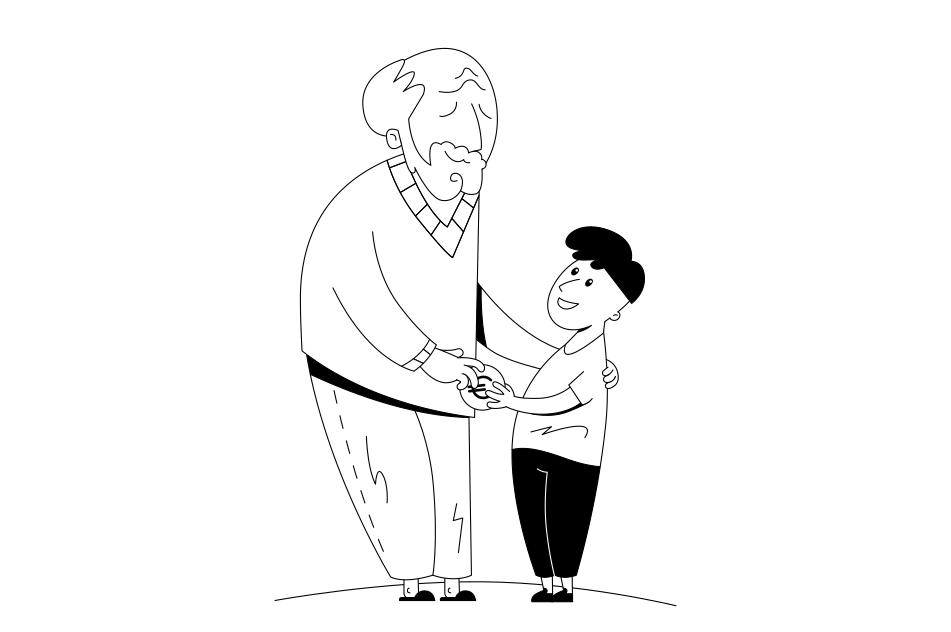
Wills and inheritance
Making a will, making a declaration of heirs or awarding inheritance are very important moments in people’s lives.
At JLA Notarios we offer inheritance law services, both to arrange your estate and to divide up inheritance, guaranteeing the best advice for your particular needs while studying the tax implications of each case. We never forget the human factor. We even offer a notary service at home if necessary.
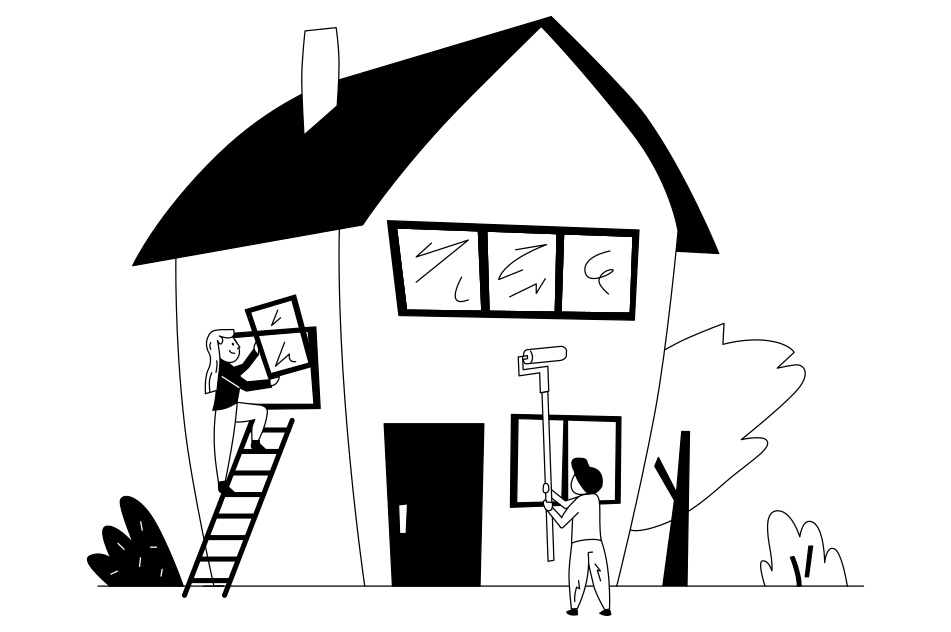
Contracts and property law
Over the course of our lives, we carry out important actions, such as buying a home, declaring a new-build, lifetime gifting to our children or ending partnerships, among many others.
At JLA Notarios we are experts in property and contract law and buying and selling property. We guide our clients, analysing each particular issue and always considering the tax burden of each transaction.
In addition, some of our notarial services can be performed online, so we can assist you from anywhere in Spain. Contact us to declare a new-build or a commonhold ownership structure online.
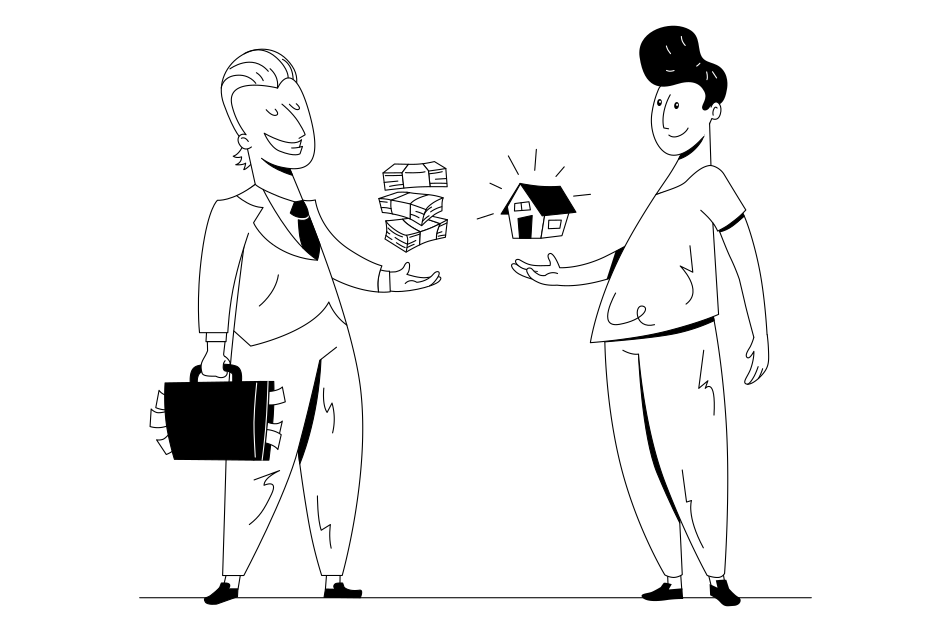
Mortgage
Taking out a mortgage is one of the biggest moments for anyone. Just think of the fees and interest you may have to pay for much of your life. So it is essential to have a trusted notary to help you understand what you are signing, explaining the tricky legal terms and their future consequences in simple words, to provide transparency and protect our clients.
At JLA Notarios we are aware of the importance of giving complete and understandable information to people about to sign a mortgage, novation or subrogation. We also advise and guide you on your future mortgage cancellation.
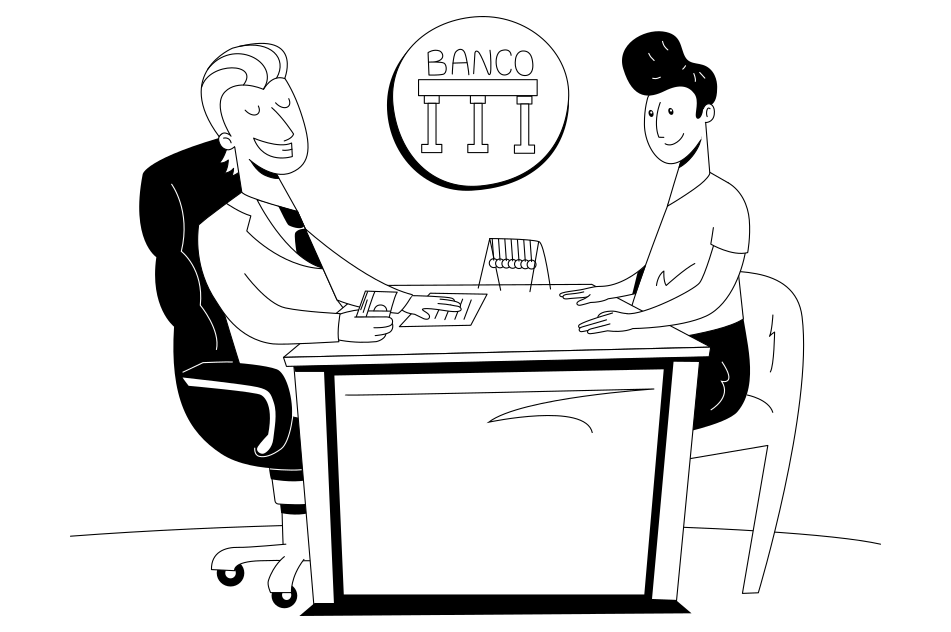
Loan agreements and credit facilities
Individuals and companies often need money to fulfil their dreams or projects. This can be obtained by taking out a loan or credit facility with your bank. When you sign, it is essential to understand the details properly to avoid future surprises.
JLA Notarios can be your trusted notary office, giving you accurate advice on loan contracts, providing a very agile and specialised service for processing loan contracts.
Bear in mind that from 9 November 2023, you will be able to sign your loan contracts from anywhere in Spain electronically by videoconference with JLA Notarios, saving you time and money. Do not hesitate to contact us to find out more about the notary office’s services in order to sign a loan contract online or sign a credit facility online.
Companies
Without entrepreneurship there is no future, so it is of vital importance to support our businesspeople and entrepreneurs.
At JLA Notaries we are familiar with companies’ life cycle, which enables us to provide legal assistance for companies in their different stages, whether incorporation, modifications of their articles of association, changes of director, share sales and purchases, capital increases and reductions, dissolution and closure, and everything related to commercial matters.
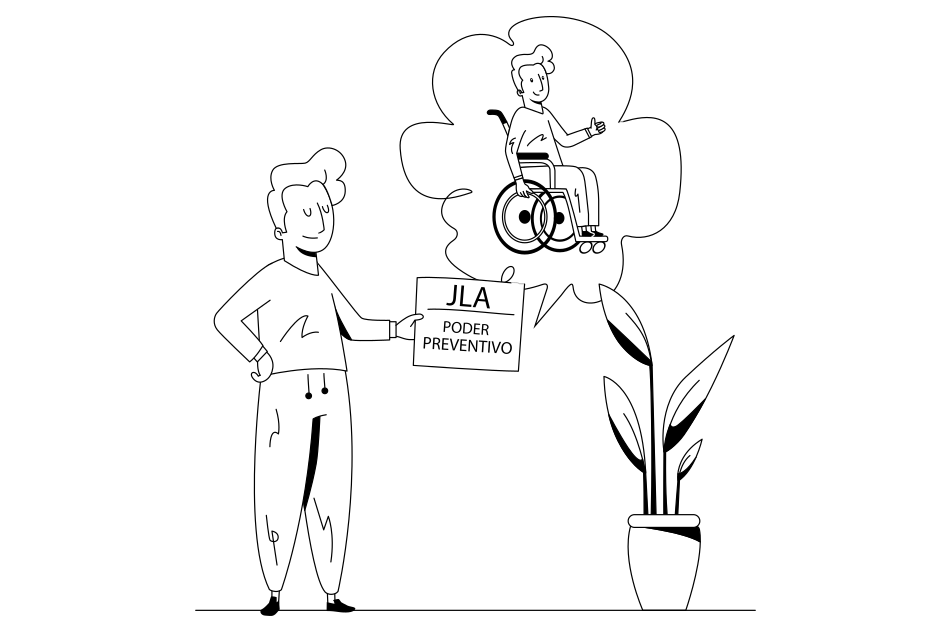
Powers of attorney
There are moments in life when a person needs to delegate. The law provides a tool for this: powers of attorney. Though a power of attorney, one person allows another person to act on their behalf.
At JLA Notarios we make sure that you understand the significance and risks of delegating or revoking powers of attorney, from a special power of attorney or power of attorney for lawsuits, to general powers of attorney or preventive powers of attorney for cases of incapacity.
We provide an agile service to sign powers of attorney. You can take your copy away immediately, saving you unnecessary trips, and from 9 November 2023 our clients will be able to sign all powers of attorney that are not general or preventive by videoconference through our digital notary office.
Family affairs
A prosperous society is based on the family and its protection. Family Law provides you with the tools to protect your family and its members, so its foundations are solid and its purposes can be achieved.
At JLA Notarios we provide legal advice on marriage or civil partnerships; property aspects of the family through marriage contracts or civil partnership contracts; the moments when the family relationship is ended, in cases such as divorce or separation; and protection of vulnerable people, such as minors or people with modified capacity, through deeds of appointment of guardians or executors or creation of protected assets. We do all of this in a way that makes everyone involved feel equally supported and secure.
Certifications and authentications
It is common knowledge that notaries attest. That important and simple action can guarantee things of vital importance, such as ensuring that the signature on a document is authentic or certifying that a copy of a document matches the original.
At JLA Notarios we will help you to certify a document or notarise a signature in accordance with the law and tailored to your specific needs.
In addition, these notarial procedures can be carried out conveniently through electronic means from 9 November 2023.
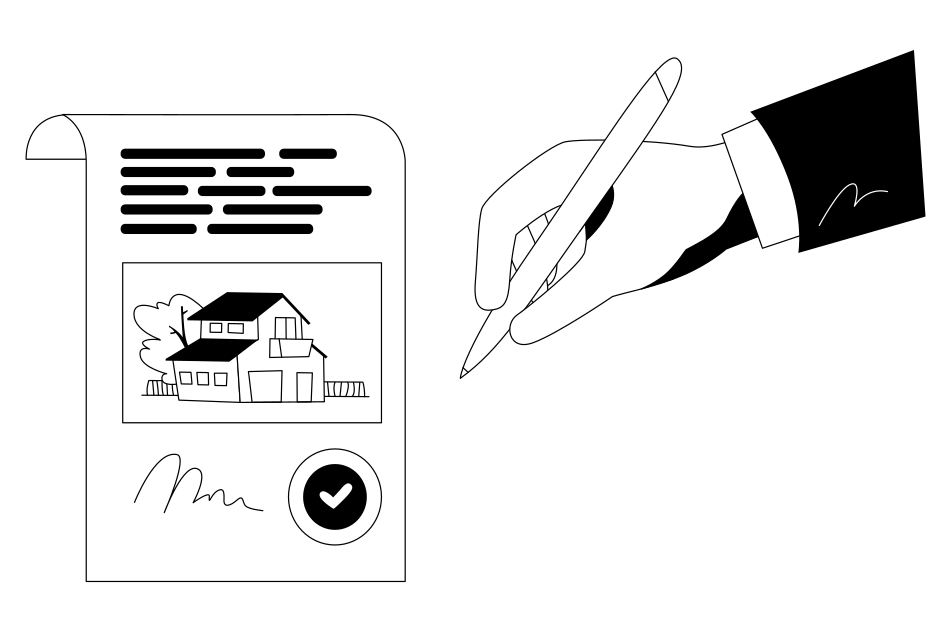
Notarial deeds
How many times have you wanted to record an event, a statement or the status of an object, or to notify someone of an issue. The law provides us with notarial deeds to deal with these matters.
At JLA Notarios we adapt to you, stating in the deed what you need and issuing your notifications and requests.
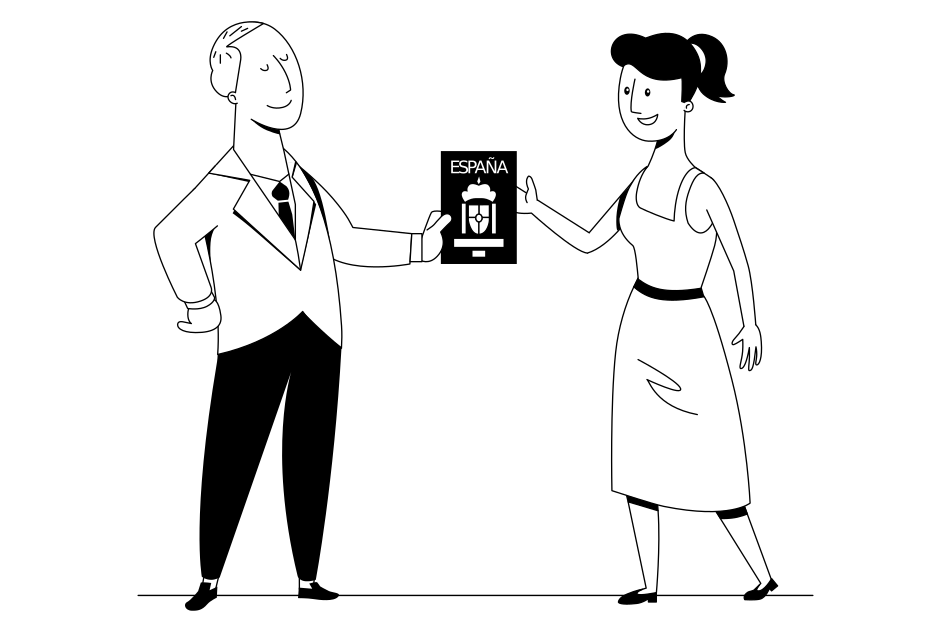
Oath of citizenship
Behind every oath of citizenship lies a story of overcoming, sacrifice and waiting.
At JLA Notarios we know what this moment means and we provide an empathetic, agile and fast service. We don’t just advise you about the actual swearing-in, but also inform you of the future requirements that new Spanish citizens need to know.
We are your go-to notary’s office to swear the oath of citizenship before a notary public in Barcelona.
Apostille of the hague convention
Globalisation enables the free movement of people and documents of all kinds. How can you guarantee that a document has been officially issued? With an apostille of the Hague Convention.
JLA Notarios can obtain an apostille for all documents executed before us so they are valid and recognised abroad. We do this transparently and save you all the bureaucratic procedures involved.
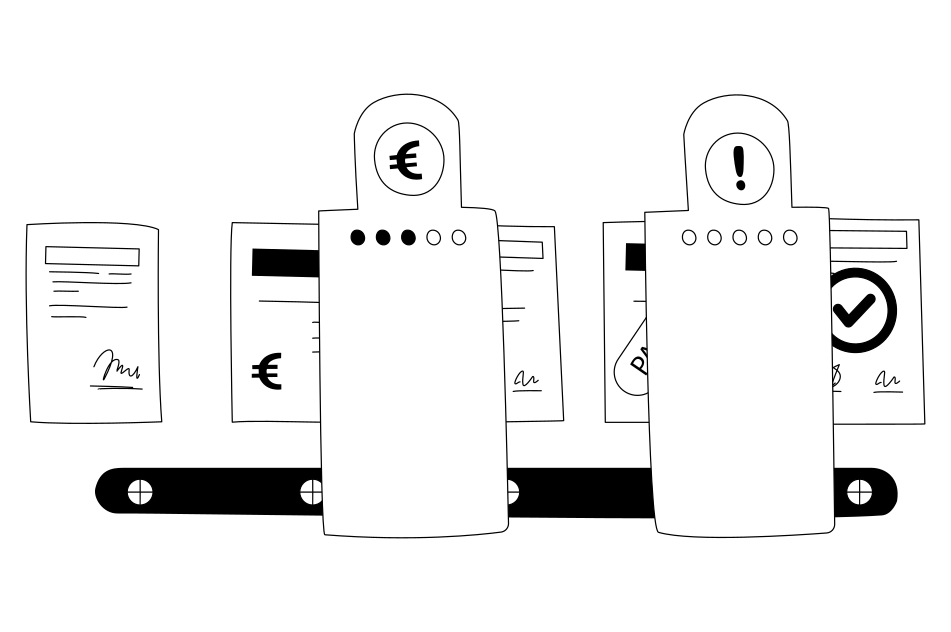
Tax and registry procedures
Tax bureaucracy can cause a lot of headaches.
So JLA Notarios offers its clients the possibility of assessing and paying the many different taxes by the executing deeds and carrying out other procedures before the notary. We can also file them with the Land or Companies Registry so you do not have to concern yourself with it and can spend your time on the things that matter. We support you from start to finish.
Wills and inheritance
Making a will, making a declaration of heirs or awarding inheritance are very important moments in people’s lives.
At JLA Notarios we offer inheritance law services, both to arrange your estate and to divide up inheritance, guaranteeing the best advice for your particular needs while studying the tax implications of each case. We never forget the human factor. We even offer a notary service at home if necessary.
Contracts and property law
Over the course of our lives, we carry out important actions, such as buying a home, declaring a new-build, lifetime gifting to our children or ending partnerships, among many others.
At JLA Notarios we are experts in property and contract law and buying and selling property. We guide our clients, analysing each particular issue and always considering the tax burden of each transaction.
In addition, some of our notarial services can be performed online, so we can assist you from anywhere in Spain. Contact us to declare a new-build or a commonhold ownership structure online.
Mortgage
Taking out a mortgage is one of the biggest moments for anyone. Just think of the fees and interest you may have to pay for much of your life. So it is essential to have a trusted notary to help you understand what you are signing, explaining the tricky legal terms and their future consequences in simple words, to provide transparency and protect our clients.
At JLA Notarios we are aware of the importance of giving complete and understandable information to people about to sign a mortgage, novation or subrogation. We also advise and guide you on your future mortgage cancellation.
Loan agreements and credit facilities
Individuals and companies often need money to fulfil their dreams or projects. This can be obtained by taking out a loan or credit facility with your bank. When you sign, it is essential to understand the details properly to avoid future surprises.
JLA Notarios can be your trusted notary office, giving you accurate advice on loan contracts, providing a very agile and specialised service for processing loan contracts.
Bear in mind that from 9 November 2023, you will be able to sign your loan contracts from anywhere in Spain electronically by videoconference with JLA Notarios, saving you time and money. Do not hesitate to contact us to find out more about the notary office’s services in order to sign a loan contract online or sign a credit facility online.
Companies
Without entrepreneurship there is no future, so it is of vital importance to support our businesspeople and entrepreneurs.
At JLA Notaries we are familiar with companies’ life cycle, which enables us to provide legal assistance for companies in their different stages, whether incorporation, modifications of their articles of association, changes of director, share sales and purchases, capital increases and reductions, dissolution and closure, and everything related to commercial matters.
Powers of attorney
There are moments in life when a person needs to delegate. The law provides a tool for this: powers of attorney. Though a power of attorney, one person allows another person to act on their behalf.
At JLA Notarios we make sure that you understand the significance and risks of delegating or revoking powers of attorney, from a special power of attorney or power of attorney for lawsuits, to general powers of attorney or preventive powers of attorney for cases of incapacity.
We provide an agile service to sign powers of attorney. You can take your copy away immediately, saving you unnecessary trips, and from 9 November 2023 our clients will be able to sign all powers of attorney that are not general or preventive by videoconference through our digital notary office.
Family affairs
A prosperous society is based on the family and its protection. Family Law provides you with the tools to protect your family and its members, so its foundations are solid and its purposes can be achieved.
At JLA Notarios we provide legal advice on marriage or civil partnerships; property aspects of the family through marriage contracts or civil partnership contracts; the moments when the family relationship is ended, in cases such as divorce or separation; and protection of vulnerable people, such as minors or people with modified capacity, through deeds of appointment of guardians or executors or creation of protected assets. We do all of this in a way that makes everyone involved feel equally supported and secure.
Certifications and authentications
It is common knowledge that notaries attest. That important and simple action can guarantee things of vital importance, such as ensuring that the signature on a document is authentic or certifying that a copy of a document matches the original.
At JLA Notarios we will help you to certify a document or notarise a signature in accordance with the law and tailored to your specific needs.
In addition, these notarial procedures can be carried out conveniently through electronic means from 9 November 2023.
Notarial deeds
How many times have you wanted to record an event, a statement or the status of an object, or to notify someone of an issue. The law provides us with notarial deeds to deal with these matters.
At JLA Notarios we adapt to you, stating in the deed what you need and issuing your notifications and requests.
Oath of citizenship
Behind every oath of citizenship lies a story of overcoming, sacrifice and waiting.
At JLA Notarios we know what this moment means and we provide an empathetic, agile and fast service. We don’t just advise you about the actual swearing-in, but also inform you of the future requirements that new Spanish citizens need to know.
We are your go-to notary’s office to swear the oath of citizenship before a notary public in Barcelona.
Apostille of the hague convention
Globalisation enables the free movement of people and documents of all kinds. How can you guarantee that a document has been officially issued? With an apostille of the Hague Convention.
JLA Notarios can obtain an apostille for all documents executed before us so they are valid and recognised abroad. We do this transparently and save you all the bureaucratic procedures involved.
Tax and registry procedures
Tax bureaucracy can cause a lot of headaches.
So JLA Notarios offers its clients the possibility of assessing and paying the many different taxes by the executing deeds and carrying out other procedures before the notary. We can also file them with the Land or Companies Registry so you do not have to concern yourself with it and can spend your time on the things that matter. We support you from start to finish.


