


Poder especial notarial
El poder especial notarial otorgado mediante documento notarial permite la cesión de algunas facultades a una persona para actuar en nombre y representación de otra en actos concretos. Como Notarios especializados en poderes, desde JLA Notarios queremos explicar de forma simple y clara en que consiste el apoderamiento especial y cómo funciona, resolviendo las dudas que puedan existir y destacando el papel que juega el Notario en este trámite.
Es importante que sepa que puede firmar su poder con JLA Notarios, de forma presencial o digital. Por tanto, puede firmar su poder acudiendo presencialmente a nuestra notaría en el centro de Barcelona, en nuestra notaría en la Avenida Diagonal; o, si lo prefiere, puede firmar con JLA Notarios - Notaría Digital de forma totalmente electrónica por videoconferencia.
¿Qué es el poder especial notarial?
Otorgar un poder implica firmar un documento público que concede facultades a otra persona para realizar actos en su nombre. La principal ventaja es que permite acelerar las gestiones y el tráfico jurídico. Son diversos los poderes notariales que deben ser otorgados ante Notario, como los poderes generales, los preventivos, para pleitos, y entre ellos el poder especial notarial, que vamos a comentar en esta página.
Un poder especial notarial es bastante parecido a un poder general notarial. Sin embargo, en este caso concreto, un poderdante, en el poder especial, autoriza a una persona (apoderado) para su representación en un acto, contrato o negocio jurídico concreto o para una facultad específica que se especifica expresamente en el documento mediante el cual se concede la representación. La principal diferencia entre un poder especial y un poder general es que limita la capacidad de actuación de los apoderados, restringiendo y acotando la actuación de estos a un campo determinado, mientras que el general concede las más amplias facultades que el derecho permite.
Habitualmente, los poderes especiales suelen otorgarse cuando una persona no quiere o no puede asistir a un acto determinado pero, en cambio, su intervención es imprescindible y necesaria. Con el poder especial se autoriza a una persona para tramitar exclusivamente ese acto, contrato o negocio jurídico concreto.
Por norma general, la relación entre el poderdante y apoderado se supone de confianza y, por este motivo, es habitual que actúen como apoderados los familiares o amigos. Quien recibe el poder especial debe actuar de buena fe en nombre de su representante. En caso contrario, si el apoderado se considera que actúa de forma fraudulenta o interesada y el poderdante pierde la confianza con su apoderado, el poderdante deberá tramitar una escritura de revocación de poder para anular las facultades otorgadas en el documento o escritura de poder especial.
Es muy importante que tenga plena confianza en la persona a la que da un poder. De esta manera se evitarán problemas futuros. No obstante, si pierde después de dar un poder la confianza en un apoderado, puede revocar el poder en cualquier momento posterior.
Ejemplos de poder especial
Entre los distintos tipos de poderes especiales, destacan, por ser los más habituales, el poder especial de representación o el poder especial de administración. Algunos ejemplos de utilización de estos tipo de poderes serían la aceptación de herencia o de legado, la constitución de sociedades (incluyendo modificaciones, disoluciones o liquidaciones), la asistencia a juntas generales de sociedades, operaciones de crédito, la administración de un inmueble, operaciones inmobiliarias como una compraventa, otorgamientos de hipotecas, fianzas o avales, poderes bancarios, para abrir y cerrar cuentas en entidades de crédito, la realización de transferencias o cobros de deuda, representación ante cualquier administración, para obtener en NIE, entre otros muchos.
Disposición del documento o escritura
El documento vinculante deberá recoger la siguiente información: el nombre, apellido y dirección, documento de identidad del poderdante y la información relativa al apoderado. Además, en dicho documento se hará constar el lugar donde se celebra el acto notarial, el nombre del Notario público y la ciudad en la que opera.
El contenido especifica el objeto de poder y derecho concedido al apoderado especial, el nombre de las personas que acuden a la firma, la firma de las partes y el sello del Notario.
El papel del Notario en un poder especial
En este proceso será imprescindible que el poderdante informe a la notaría sobre las razones y motivos por los que necesita realizar un poder. El Notario le asesorará de manera imparcial buscando la mejor solución a cada necesidad, garantizando siempre que la solución final cumpla con la legalidad vigente en cada momento.
Una tarea básica del Notario en este proceso es asegurarse de que los intervinientes son conocedores de la responsabilidad que se le confiere al apoderado mediante el poder especial. También deberá cerciorarse de que los otorgantes están en plena capacidad mental. Tras ello, se procederá a elaborar el documento notarial mediante el cual se concederán las facultades al apoderado y se procederá a su autorización. En el poder especial se establece la capacidad o facultad otorgada por el poderdante al apoderado, especificando exclusivamente lo que se le autoriza a gestionar en su nombre.
El Notario es un profesional de derecho con poderes legales para autenticar los documentos y actos legales y ello le permite asegurar la validez legal de las transacciones. Su sello y firma brindan seguridad jurídica a las transacciones, protegiendo así los intereses de las partes involucradas.
Cuando se realiza un poder especial ante Notario, lo habitual es emitir una copia autorizada que se entregará al apoderado como autorización para obrar en nombre del poderdante. También se emitirá una copia simple, que será entregada al poderdante, en la que se resumen los hechos y datos de la notaría, así como la fecha en la que se tramitó el poder. No obstante, en cuanto a la expedición de copias de un poder en las notarías seguimos de forma rigurosa las instrucciones de los poderdantes.
Documentación para otorgar un poder especial notarial mercantil
Para la firma de un poder especial entre particulares en una notaría será necesaria la presentación de la siguiente documentación:
- Documento de identificación en vigor del poderdante e identificación fiscal
- Presentación de los datos que permiten identificar al apoderado (nombre, apellidos, fotocopia o datos del DNI, NIE o pasaporte)
Otorgar un poder especial online o en Notaria: ventajas, precio y preguntas frecuentes
Una vez explicada la figura del poderdante y del apoderado, procederemos ahora a comentar el proceso y contestar las dudas más frecuentes relacionadas con este trámite.
Hacer un poder especial notarial online
Actualmente las notarías, como JLA Notarios – Notaría digital, ofrecemos la posibilidad de tramitar servicios notariales online que permiten ganar celeridad de la gestión y una mayor comodidad para el cliente, con el correspondiente ahorro de tiempo. En nuestro caso, como notaría online tecnológicamente avanzada, podemos tramitar el otorgamiento de un poder especial online mediante autorización por videoconferencia ofreciendo considerables ventajas en las actuaciones notariales mercantiles.
¡Contáctenos para tramitar su poder especial desde cualquier ubicación en España! Obtendrá un servicio notarial personalizado, cómodo y eficiente, sin desplazarse de su domicilio o puesto de trabajo.
¿Cuál es el precio del poder especial notarial?
El precio de los actos notariales está regulado por el Gobierno y se ajusta a la normativa reguladora del ARANCEL NOTARIAL (RD 1426/1989, de 17 de noviembre, por el que se regula el Arancel de los Notarios).
No obstante, el precio exacto de un documento notarial no puede calcularse hasta que se conoce su contenido concreto, es decir, hasta que esté firmado, pues son muchas las circunstancias que lo pueden hacer variar. El número de copias que se pide de un documento, los folios que contiene, la cantidad de poderdantes y apoderados además de posibles cambios o añadidos pueden variar ligeramente el precio final.
Si desea recibir un presupuesto detallado, le invitamos a contactarnos directamente por la vía que le resulte más conveniente. Lo puede hacer a través del formulario de contacto de la página principal de esta web, mediante la sección contactar que encontrará en el pie de página de la web, usando el acceso directo a WhatsApp en la parte inferior derecha de esta página, enviando un correo electrónico a bcn@jlanotarios.com o llamándonos al teléfono 93 159 17 62.
De forma orientativa, le podemos adelantar que, de acuerdo a la normativa reguladora vigente, el precio habitual de la formalización de un PODER ESPECIAL es de entre 60 y 90 €, incluyendo IVA.
Este precio indicativo está calculado para un documento de contenido habitual (hasta 8 folios) y con la expedición de una única copia autorizada y una copia simple y otorgado por una persona física a una persona física.
Preguntas relacionadas con el apoderamiento especial
Para completar esta explicación, vamos a repasar algunas dudas que no son planteadas por nuestros clientes en relación a los poderes especiales. Son habituales las preguntas relacionadas con la duración de un poder especial, la manera de anularlo cuando ya no sea necesario o si existe la posibilidad de que el ámbito de uso del poder especial sea internacional.
Una vez otorgado el poder, si este debe ser usado en otra notaría el cliente puede solicitar al Notario ante el que ha otorgado el poder que lo remita a través de la plataforma SIGNO, que es el sistema de comunicación notarial, copia autorizada del poder. Para ello, es necesario que el poderdante informe del nombre y población del Notario al que quiere mandarlo.
Obviamente, el cliente también puede descartar este sistema, solicitar copia física y remitirla por correo o llevarlo en persona al lugar requerido o si es un poder otorgado a partir de 2024 suministrar el CSV de su poder a la notaría.
Si el poder faculta a una persona para realizar operaciones con las cuentas bancarias del poderdante, debe tener en cuenta que no podrá hacer uso de él inmediatamente. Deberá acercarse a la entidad bancaria y entregar el poder, con el fin de que se remita a servicios jurídicos para bastantearlo, es decir, verificar las facultades y autenticidad del poder. Una vez hecho este proceso ya estará facultado, como apoderado, para hacer uso de las cuentas bancarias.
Por tanto, deberá esperar el tiempo necesario a que el banco bastantee su poder, tras entregárselo a la entidad financiera.
Cabe destacar también que un poder especial no debe ser inscrito en el Registro Mercantil ni en el Registro Civil, considerando que la persona a la que se confiere el poder, el apoderado, dejará de tenerlo a partir del momento en que se realice la acción para la que ha sido otorgado el poder.
Por tanto, un poder especial nunca se inscribe en el Registro Mercantil, aunque el poder lo haya otorgado una sociedad mercantil.
La finalización de un poder especial viene determinada principalmente por la realización del acto o negocio para el que fue otorgado, momento en el cual el poder especial deja de ser vigente. En este sentido, se aprecia una diferencia importante en comparación con la duración de un poder general que suele ser indefinido. Otras causas de finalización del apoderamiento especial son la revocación del poder por parte del poderdante o bien la renuncia del apoderado. Evidentemente, también deja de ser válido el poder cuando muere el poderdante o el apoderado.
Además, la configuración del poder viene determinada por la voluntad del poderdante, por tanto este puede limitar el poder a un plazo determinado, suficiente para que el apoderado pueda ejercer la facultades conferidas. Desde JLA Notarios recomendamos fijar un plazo determinado de vigencia del poder, si es posible según las circunstancias.
En líneas generales, la sustitución permite al apoderado conceder todas las facultades del poder, o alguna de ellas, a otra persona. Pero tenemos que diferenciar entre Derecho común y Derecho catalán, ya que se regula de forma muy diferente en uno y en otro caso.
En Derecho común, el poder se puede sustituir siempre que no se haya prohibido expresamente en el poder, sin perjuicio de la responsabilidad del del apoderado por los actos realizados por esa tercera persona. No habrá responsabilidad del apoderado si es el poderdante quien le autoriza a trasferir las facultades a otra persona concentra.
Por su parte, en Derecho catalán, la solución es a la inversa. Un poder no se puede sustituir en ningún caso, salvo que esté expresamente autorizado. Si está autorizado a sustituir el poder, sin especificar o identificar la persona, entonces el apoderado responderá de las actuaciones realizadas por el tercero.
En definitiva, es importante hacer constar en el poder, ya esté sujeto a Derecho común o catalán, si se autoriza o se prohíbe la sustitución.
Antes de terminar esta cuestión, creemos que es necesario distinguir entre la sustitución de poder y la delegación o subapoderamiento. En el caso de la sustitución, el apoderado, a pesar de seguir siendo responsable por las acciones del sustituto, pierde la representación, desconectándose así de la relación representativa. En cambio, en el caso de la delegación o subapoderamiento, el apoderado inicial delega total o parcialmente sus facultades, pero aún conserva su condición de apoderado.
El motivo principal por el que se procede a la revocación de un poder especial suele ser la pérdida de confianza del poderdante y la consecuente retirada del poder. También se revoca el poder especial en el supuesto en el que el poderdante ya no necesita los servicios del apoderado y pueda realizar los actos por sí mismo. En cualquier caso, sea por el motivo que sea, se deberá proceder a revocar el poder en una notaría mediante escritura pública. En este proceso, la copia simple librada al poderdante durante el otorgamiento de poder será de importante para que el Notario recupere la información previa, aunque este, si es el mismo Notario, dispondrá también de la información documentada y archivada convenientemente.
Para que los poderes notariales españoles tengan reconocimiento internacional deben ser apostillados previamente. La Apostilla de la Haya es una anotación en el documento privado o escritura que permite certificar su autenticidad. España, junto con muchos otros países, forma parte del Convenio de la Haya, un tratado internacional en el que los países firmantes usan una apostilla para legalizar el documento para su uso en el extranjero.
En caso de que alguno de los países (de origen del poder o donde deba hacerse uso) no esté adherido al Convenio de la Haya, deberá se legalizado por ambos países para que pueda surtir efectos.
Sí, se puede redactar un poder en varios idiomas, sobre todo para ser usado en terceros países, acompañado de la apostilla de la Haya o, en su defecto, de la legalización.
En este supuesto, el poder se redactará en castellano o en cualquiera de la lenguas cooficiales, junto con el idioma que el cliente desee, generalmente inglés. Puede, además, utilizarse dos sistemas, o bien se redacta todo el documento a doble columna, con ambos idiomas, o se incorpora al poder la traducción en idioma extranjero al instrumento público.
Para que esté redactado un poder en doble columna es necesario que el Notario entienda el idioma de redacción.
Hacer un poder especial notarial con JLA Notarios
Nuestra Notaría en Barcelona dispone de un equipo de Notarios altamente calificados y experimentados para poder otorgar un poder especial notarial. Gracias a la formación y experiencia, somos expertos en las regulaciones que se aplican y podemos ofrecer a nuestros clientes un asesoramiento personalizado en el que nos ajustamos a sus necesidades específicas, respondiendo en todo momento a sus preguntas y preocupaciones.
En JLA Notarios trabajamos de forma cercana y proactiva, aplicando las nuevas tecnologías en todos los trámites el confort y comodidad de nuestros clientes. En JLA Notarios gestionamos muchos servicios notariales de forma electrónica y es nuestro objetivo como Notaría online, mejorar los tiempos de transacción de su trámite y mantenerle informado de las novedades que surjan durante el procedimiento. Otorgar un poder especial online es ya posible en España, igual que muchos otros servicios notariales. Elíjanos como su Notario para recibir una calidad de servicio excelente.
Por tanto, puede firmar con nosotros acudiendo a nuestra Notaría en el Eixample o con nuestra Notaría Digital.
Póngase en contacto con nosotros para una consulta inicial, ya sea para autorizar un apoderamiento especial u otros asuntos que le afecten. Le ayudaremos a través de todo el proceso, resolviendo sus dudas y gestionando con eficiencia su gestión. Reserve ahora su primera asesoría en JLA Notarios.
By your side in the moments that matter

Wills and inheritance
Making a will, making a declaration of heirs or awarding inheritance are very important moments in people’s lives.
At JLA Notarios we offer inheritance law services, both to arrange your estate and to divide up inheritance, guaranteeing the best advice for your particular needs while studying the tax implications of each case. We never forget the human factor. We even offer a notary service at home if necessary.

Contracts and property law
Over the course of our lives, we carry out important actions, such as buying a home, declaring a new-build, lifetime gifting to our children or ending partnerships, among many others.
At JLA Notarios we are experts in property and contract law and buying and selling property. We guide our clients, analysing each particular issue and always considering the tax burden of each transaction.
In addition, some of our notarial services can be performed online, so we can assist you from anywhere in Spain. Contact us to declare a new-build or a commonhold ownership structure online.

Mortgage
Taking out a mortgage is one of the biggest moments for anyone. Just think of the fees and interest you may have to pay for much of your life. So it is essential to have a trusted notary to help you understand what you are signing, explaining the tricky legal terms and their future consequences in simple words, to provide transparency and protect our clients.
At JLA Notarios we are aware of the importance of giving complete and understandable information to people about to sign a mortgage, novation or subrogation. We also advise and guide you on your future mortgage cancellation.
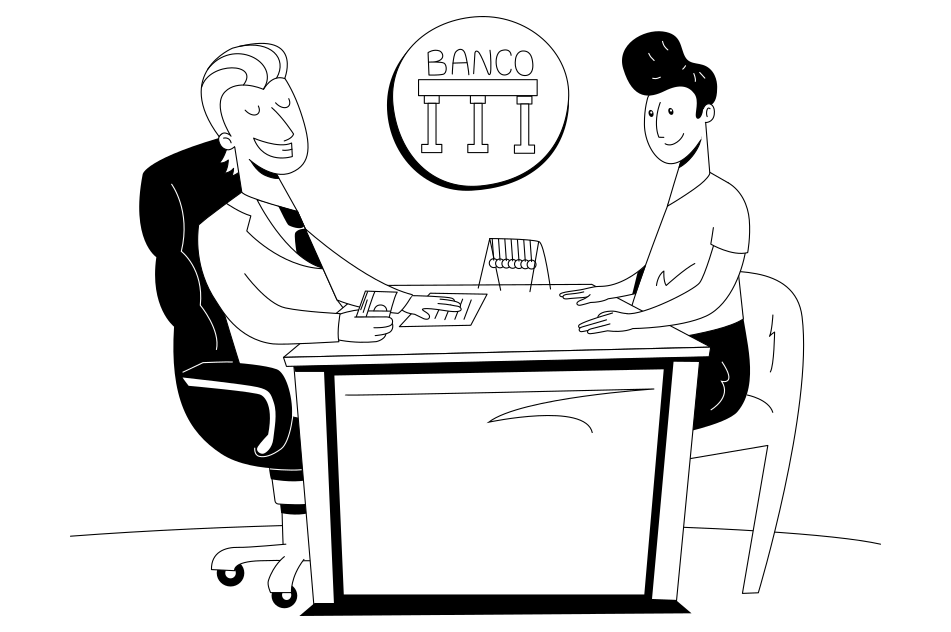
Loan agreements and credit facilities
Individuals and companies often need money to fulfil their dreams or projects. This can be obtained by taking out a loan or credit facility with your bank. When you sign, it is essential to understand the details properly to avoid future surprises.
JLA Notarios can be your trusted notary office, giving you accurate advice on loan contracts, providing a very agile and specialised service for processing loan contracts.
Bear in mind that from 9 November 2023, you will be able to sign your loan contracts from anywhere in Spain electronically by videoconference with JLA Notarios, saving you time and money. Do not hesitate to contact us to find out more about the notary office’s services in order to sign a loan contract online or sign a credit facility online.
Companies
Without entrepreneurship there is no future, so it is of vital importance to support our businesspeople and entrepreneurs.
At JLA Notaries we are familiar with companies’ life cycle, which enables us to provide legal assistance for companies in their different stages, whether incorporation, modifications of their articles of association, changes of director, share sales and purchases, capital increases and reductions, dissolution and closure, and everything related to commercial matters.
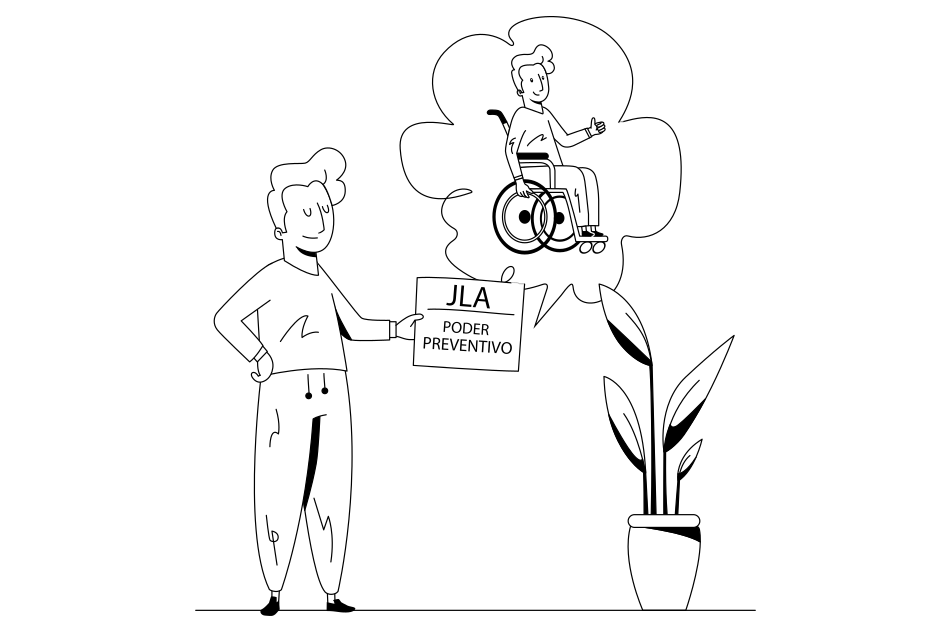
Powers of attorney
There are moments in life when a person needs to delegate. The law provides a tool for this: powers of attorney. Though a power of attorney, one person allows another person to act on their behalf.
At JLA Notarios we make sure that you understand the significance and risks of delegating or revoking powers of attorney, from a special power of attorney or power of attorney for lawsuits, to general powers of attorney or preventive powers of attorney for cases of incapacity.
We provide an agile service to sign powers of attorney. You can take your copy away immediately, saving you unnecessary trips, and from 9 November 2023 our clients will be able to sign all powers of attorney that are not general or preventive by videoconference through our digital notary office.

Family affairs
A prosperous society is based on the family and its protection. Family Law provides you with the tools to protect your family and its members, so its foundations are solid and its purposes can be achieved.
At JLA Notarios we provide legal advice on marriage or civil partnerships; property aspects of the family through marriage contracts or civil partnership contracts; the moments when the family relationship is ended, in cases such as divorce or separation; and protection of vulnerable people, such as minors or people with modified capacity, through deeds of appointment of guardians or executors or creation of protected assets. We do all of this in a way that makes everyone involved feel equally supported and secure.
Certifications and authentications
It is common knowledge that notaries attest. That important and simple action can guarantee things of vital importance, such as ensuring that the signature on a document is authentic or certifying that a copy of a document matches the original.
At JLA Notarios we will help you to certify a document or notarise a signature in accordance with the law and tailored to your specific needs.
In addition, these notarial procedures can be carried out conveniently through electronic means from 9 November 2023.
Notarial deeds
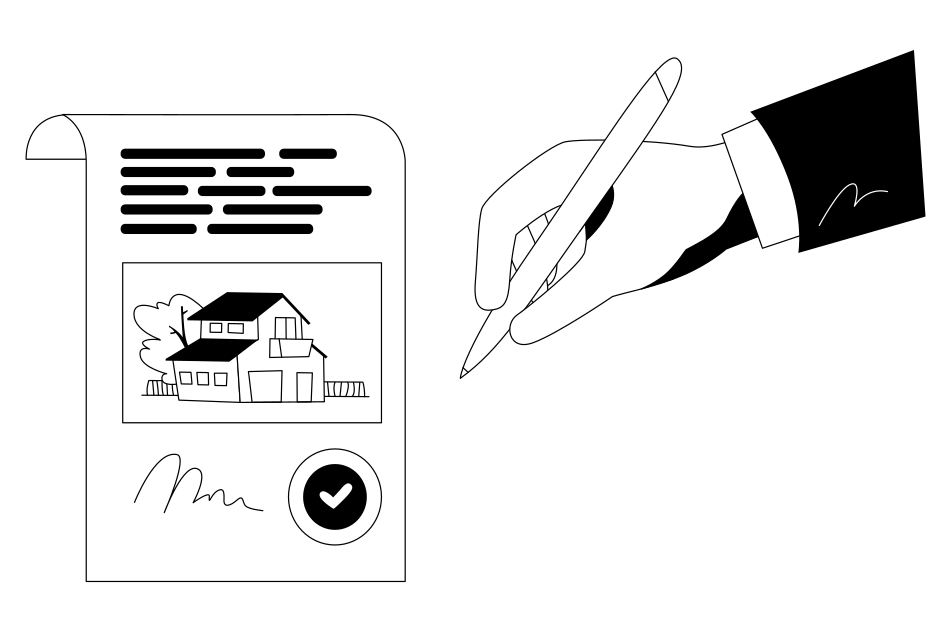
How many times have you wanted to record an event, a statement or the status of an object, or to notify someone of an issue. The law provides us with notarial deeds to deal with these matters.
At JLA Notarios we adapt to you, stating in the deed what you need and issuing your notifications and requests.

Oath of citizenship
Behind every oath of citizenship lies a story of overcoming, sacrifice and waiting.
At JLA Notarios we know what this moment means and we provide an empathetic, agile and fast service. We don’t just advise you about the actual swearing-in, but also inform you of the future requirements that new Spanish citizens need to know.
We are your go-to notary’s office to swear the oath of citizenship before a notary public in Barcelona.

Apostille of the hague convention
Globalisation enables the free movement of people and documents of all kinds. How can you guarantee that a document has been officially issued? With an apostille of the Hague Convention.
JLA Notarios can obtain an apostille for all documents executed before us so they are valid and recognised abroad. We do this transparently and save you all the bureaucratic procedures involved.
Tax and registry procedures
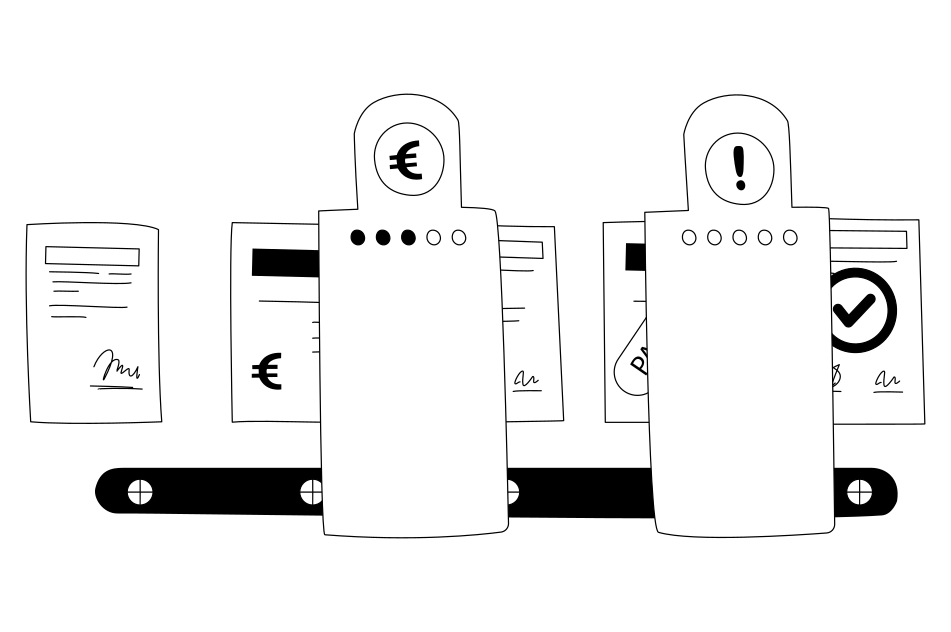
Tax bureaucracy can cause a lot of headaches.
So JLA Notarios offers its clients the possibility of assessing and paying the many different taxes by the executing deeds and carrying out other procedures before the notary. We can also file them with the Land or Companies Registry so you do not have to concern yourself with it and can spend your time on the things that matter. We support you from start to finish.
Wills and inheritance
Making a will, making a declaration of heirs or awarding inheritance are very important moments in people’s lives.
At JLA Notarios we offer inheritance law services, both to arrange your estate and to divide up inheritance, guaranteeing the best advice for your particular needs while studying the tax implications of each case. We never forget the human factor. We even offer a notary service at home if necessary.
Contracts and property law
Over the course of our lives, we carry out important actions, such as buying a home, declaring a new-build, lifetime gifting to our children or ending partnerships, among many others.
At JLA Notarios we are experts in property and contract law and buying and selling property. We guide our clients, analysing each particular issue and always considering the tax burden of each transaction.
In addition, some of our notarial services can be performed online, so we can assist you from anywhere in Spain. Contact us to declare a new-build or a commonhold ownership structure online.
Mortgage
Taking out a mortgage is one of the biggest moments for anyone. Just think of the fees and interest you may have to pay for much of your life. So it is essential to have a trusted notary to help you understand what you are signing, explaining the tricky legal terms and their future consequences in simple words, to provide transparency and protect our clients.
At JLA Notarios we are aware of the importance of giving complete and understandable information to people about to sign a mortgage, novation or subrogation. We also advise and guide you on your future mortgage cancellation.
Loan agreements and credit facilities
Individuals and companies often need money to fulfil their dreams or projects. This can be obtained by taking out a loan or credit facility with your bank. When you sign, it is essential to understand the details properly to avoid future surprises.
JLA Notarios can be your trusted notary office, giving you accurate advice on loan contracts, providing a very agile and specialised service for processing loan contracts.
Bear in mind that from 9 November 2023, you will be able to sign your loan contracts from anywhere in Spain electronically by videoconference with JLA Notarios, saving you time and money. Do not hesitate to contact us to find out more about the notary office’s services in order to sign a loan contract online or sign a credit facility online.
Companies
Without entrepreneurship there is no future, so it is of vital importance to support our businesspeople and entrepreneurs.
At JLA Notaries we are familiar with companies’ life cycle, which enables us to provide legal assistance for companies in their different stages, whether incorporation, modifications of their articles of association, changes of director, share sales and purchases, capital increases and reductions, dissolution and closure, and everything related to commercial matters.
Powers of attorney
There are moments in life when a person needs to delegate. The law provides a tool for this: powers of attorney. Though a power of attorney, one person allows another person to act on their behalf.
At JLA Notarios we make sure that you understand the significance and risks of delegating or revoking powers of attorney, from a special power of attorney or power of attorney for lawsuits, to general powers of attorney or preventive powers of attorney for cases of incapacity.
We provide an agile service to sign powers of attorney. You can take your copy away immediately, saving you unnecessary trips, and from 9 November 2023 our clients will be able to sign all powers of attorney that are not general or preventive by videoconference through our digital notary office.
Family affairs
A prosperous society is based on the family and its protection. Family Law provides you with the tools to protect your family and its members, so its foundations are solid and its purposes can be achieved.
At JLA Notarios we provide legal advice on marriage or civil partnerships; property aspects of the family through marriage contracts or civil partnership contracts; the moments when the family relationship is ended, in cases such as divorce or separation; and protection of vulnerable people, such as minors or people with modified capacity, through deeds of appointment of guardians or executors or creation of protected assets. We do all of this in a way that makes everyone involved feel equally supported and secure.
Certifications and authentications
It is common knowledge that notaries attest. That important and simple action can guarantee things of vital importance, such as ensuring that the signature on a document is authentic or certifying that a copy of a document matches the original.
At JLA Notarios we will help you to certify a document or notarise a signature in accordance with the law and tailored to your specific needs.
In addition, these notarial procedures can be carried out conveniently through electronic means from 9 November 2023.
Notarial deeds
How many times have you wanted to record an event, a statement or the status of an object, or to notify someone of an issue. The law provides us with notarial deeds to deal with these matters.
At JLA Notarios we adapt to you, stating in the deed what you need and issuing your notifications and requests.
Oath of citizenship
Behind every oath of citizenship lies a story of overcoming, sacrifice and waiting.
At JLA Notarios we know what this moment means and we provide an empathetic, agile and fast service. We don’t just advise you about the actual swearing-in, but also inform you of the future requirements that new Spanish citizens need to know.
We are your go-to notary’s office to swear the oath of citizenship before a notary public in Barcelona.
Apostille of the hague convention
Globalisation enables the free movement of people and documents of all kinds. How can you guarantee that a document has been officially issued? With an apostille of the Hague Convention.
JLA Notarios can obtain an apostille for all documents executed before us so they are valid and recognised abroad. We do this transparently and save you all the bureaucratic procedures involved.
Tax and registry procedures
Tax bureaucracy can cause a lot of headaches.
So JLA Notarios offers its clients the possibility of assessing and paying the many different taxes by the executing deeds and carrying out other procedures before the notary. We can also file them with the Land or Companies Registry so you do not have to concern yourself with it and can spend your time on the things that matter. We support you from start to finish.


